

What’s Shaking, Earthquake Preparedness
Earthquake Safety: Essential Tips to Keep You and Your Family Safe
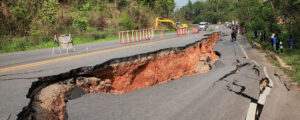
Earthquakes can strike without warning, leaving little time to react. Being prepared and knowing what to do before, during, and after an earthquake can make a significant difference in ensuring your safety and that of your loved ones. Kentucky sits in the midst of several seismic zones, the most famous being The New Madrid fault.
Before the Earthquake: Prepare Your Home
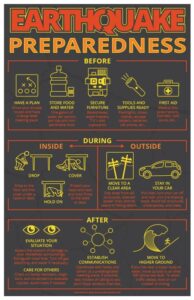
- Secure Heavy Furniture: Anchor bookshelves, cabinets, and other tall furniture to the walls to prevent them from toppling over during a quake. Store heavy and breakable items on lower shelves. This is also great advice for anyone with children in general!
- Create an Emergency Kit: Prepare a disaster supply kit that includes water, non-perishable food, first-aid supplies, a flashlight, batteries, and a whistle. Ensure it’s easily accessible. Follow this link to know what should go into your kit. https://www.ready.gov/kit
- Develop a Family Plan: Establish a communication plan with your family members. Identify safe spots in each room, such as under sturdy tables or against interior walls, away from windows and heavy objects.

During the Earthquake: Drop, Cover, and Hold On
- Drop to the Ground: The first instinct during an earthquake should be to drop down to avoid being knocked over by the shaking.
- Cover: Get under a sturdy piece of furniture like a table or desk to protect yourself from falling debris. If there’s no shelter nearby, cover your head and neck with your arms and crouch against an interior wall.
- Hold On: Stay in your safe spot until the shaking stops. If you’re under furniture, hold on to it so it doesn’t move away from you.


After the Earthquake: Stay Safe
- Check for Injuries: Once the shaking stops, check yourself and others for injuries. Provide first aid if necessary and call for emergency assistance if needed.
- Inspect for Hazards: Be aware of potential hazards like gas leaks, fires, or structural damage. If you suspect a gas leak, turn off the gas valve and avoid using electrical devices that could spark.
- Stay Informed: Use a battery-powered radio to listen for updates and follow the instructions of local authorities.
- Be Ready for Aftershocks: Aftershocks can occur minutes, hours, or even days after the initial earthquake and although weaker then the “mainshock” may cause even more extensive damage to already weakened structures and roadways.ConclusionEarthquake preparedness is about taking proactive steps to safeguard your home and your family. By securing your environment and knowing how to respond during and after an earthquake, you can reduce the risk of injury and ensure a quicker recovery. Remember, the best time to prepare is now—before an earthquake strikes. For more detailed information and preparedness actions FEMA has a great deal of information.