
Heart Month: Heart Health Awareness, Prevention, and Emergency Preparedness
Every February, Heart Month brings national attention to cardiovascular health and the importance of preventing heart disease. Heart disease remains the leading cause of death in the United States, affecting millions of individuals and families each year. Heart Month serves as a reminder that heart health is not just a medical issue—it is a community issue that benefits from education, prevention, and preparedness.
By understanding how the heart works, recognizing risk factors, and knowing how to respond to cardiac emergencies, individuals can take meaningful steps toward protecting themselves and those around them.
Why Heart Health Awareness Matters
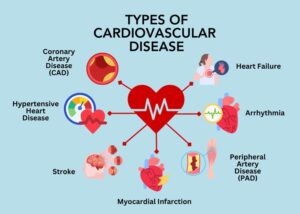
Heart disease often develops silently over time. Many people may not experience symptoms until a serious event occurs, such as a heart attack or sudden cardiac arrest. This makes education and early intervention essential components of heart health.
Heart Month focuses on:
-
Increasing awareness of cardiovascular disease
-
Encouraging preventive healthcare and screenings
-
Promoting heart-healthy lifestyle choices
-
Improving emergency readiness in homes, workplaces, and communities
Awareness empowers individuals to recognize warning signs and seek care before conditions become life-threatening.
Key Components of a Heart-Healthy Lifestyle
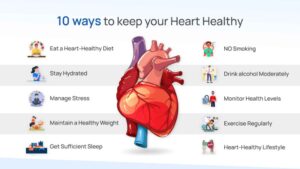
Maintaining heart health involves a combination of daily habits and routine medical care. While genetics can play a role, many risk factors are within an individual’s control.
Important elements of heart health include:
Regular physical activity
Consistent movement strengthens the heart, improves circulation, and helps regulate blood pressure and cholesterol levels.
Balanced nutrition
Diets rich in fruits, vegetables, whole grains, and lean proteins support cardiovascular health and reduce inflammation.
Stress management
Chronic stress can contribute to high blood pressure and other heart-related concerns. Managing stress through sleep, activity, and relaxation techniques is essential.
Routine health screenings
Monitoring blood pressure, cholesterol, and blood sugar levels allows for early detection and timely intervention.
Heart Month encourages individuals to evaluate their habits and make small, sustainable changes that support long-term heart health.
Understanding Cardiac Emergencies
Even with preventive measures, cardiac emergencies can still occur. Sudden cardiac arrest is a condition in which the heart unexpectedly stops beating effectively, cutting off blood flow to the brain and other vital organs.
Most cardiac arrests happen outside of hospitals, often at home, at work, or in public spaces. When this occurs, immediate action is critical. For every minute without intervention, survival rates decrease significantly.
Recognizing the signs of cardiac arrest and knowing how to respond can make the difference between life and death.
The Role of CPR in Heart Health Preparedness
Cardiopulmonary resuscitation (CPR) is an essential emergency skill that supports heart health preparedness. CPR helps circulate oxygenated blood to the brain and heart during cardiac arrest until advanced medical care arrives.
Current CPR guidelines emphasize:
-
Hands-only CPR for adult cardiac arrest
-
Pushing hard and fast in the center of the chest
-
Early use of an automated external defibrillator (AED) when available
CPR does not require medical training or advanced equipment. It is a practical skill designed for everyday people to use during critical moments.
Who Can Learn CPR?
CPR training is accessible, straightforward, and designed for the general public. Nearly anyone can learn CPR and AED use with proper instruction.
CPR training is appropriate for:
-
Parents and caregivers
-
Teens and young adults
-
Teachers and childcare providers
-
Coaches, volunteers, and faith leaders
-
Workplace teams and community members
Learning CPR enhances community safety and increases the likelihood that someone will be prepared to respond during a cardiac emergency.
Turning Heart Month Awareness Into Action
Heart Month is an ideal time to take proactive steps toward cardiovascular wellness and emergency readiness.
Consider:
-
Scheduling routine heart health screenings
-
Learning the warning signs of heart attack and stroke
-
Identifying AED locations in your workplace or community
-
Participating in CPR and AED training
Preparedness complements prevention by ensuring that individuals are ready to act if an emergency occurs.
Building Healthier, More Prepared Communities
Heart health is strengthened through education, prevention, and preparedness. When individuals understand how to care for their hearts and respond to emergencies, communities become safer and more resilient.
This Heart Month, focus on learning, prevention, and readiness—because protecting heart health is a shared responsibility that saves lives.