

I am going to do a few articles on fires as we approach the holiday season. Remarkably there is a huge increase in fires. Can you guess why? I will give you a little sneak peak into my later article. The number one cause of house fires is cooking as this greatly increases as the weather gets colder and people cook more indoors, and of course huge meals being prepared.
How a fire extinguisher works
There are three components to a fire: oxygen, heat, and fuel. The fuel is any combustible material that when heated to a high enough temperature ignites. The final ingredient is oxygen, anyone who has ever started a campfire knows all too well that when you are starting your fire blowing at the base of the flame will increase the size of the flame.
All three of these elements are required to sustain a fire. A fire extinguisher works by removing at least one of these elements, effectively putting out the fire.
One Size Doesn’t Fit All
There are five different classes of fire extinguishers A, B, C, D and K. Each letter or rating means that it can be used for different types of fires. Not all fires are created equal, just the simple components. This little guide will be an effective means to choosing the correct type for your needs.

Class A
Class A extinguishers are used for typical every day combustible items: paper, wood, cloth and some types of plastics. These extinguishers are filled with water or certain types of dry chemicals to either absorb heat or coat the fire.
Class B
Fires that start by flammable liquids and gas can be extinguished by a class B fire extinguisher. This is the perfect type to put out fires caused by oils and fuels.
Class C
These extinguishers Are most effective against electrical fires such as caused from live wires, electrical panels and circuit breakers. This type of extinguisher works by releasing an agent that stops the conduction of electricity.
Class D
These are sued on combustible metals, including magnesium, sodium, aluminum and titanium.
Class K
Most used in restaurant kitchens. Class K extinguishers are effective against fires with cooking fats, greases, and oils. This works by using an alkaline agent that traps the vapors of the fuel and puts out the fire.
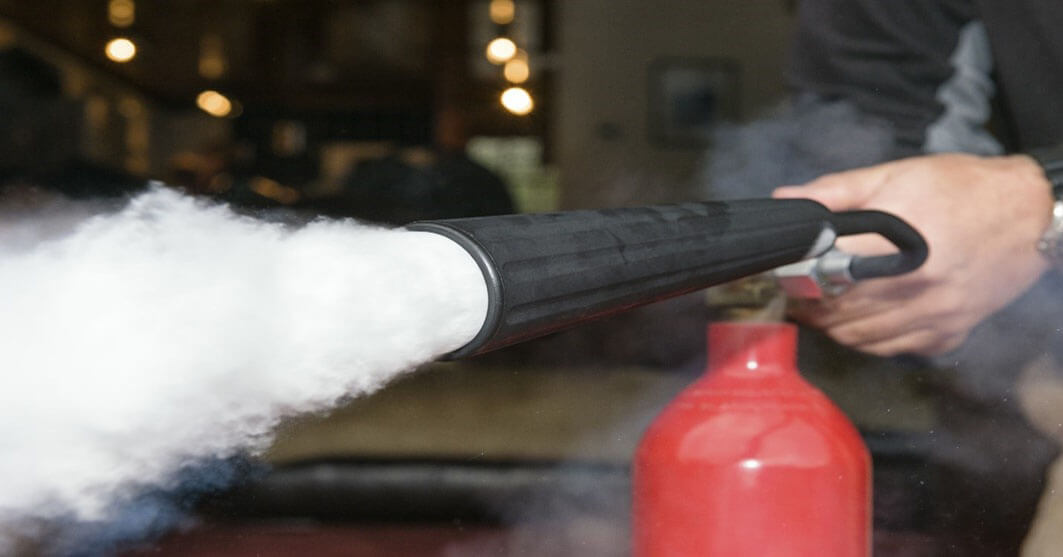
Fire Extinguishers in Your Home
Your home is typically your biggest monetary investment so why not protect it to the best of your ability? The National Fire Protection Association (www.NFPA.org) suggests that you have a fire extinguisher on every floor of your home. It is ideal to keep an extinguisher in the areas that are most prone to fires: kitchens, workshops, garages, furnace rooms and laundry rooms. I am going to link to another blogger who is a firefighter to give his list of the top 9 fire extinguishers for the home and garage. https://firefightergarage.com/best-fire-extinguisher/
Do You Know How to Use a Fire Extinguisher?
Everyone in your home including appropriately aged children should be familiar with how to use the extinguisher, before the emergency occurs. Just the basics are what everyone needs to know, where the agent will be discharged from, how to pull the safety pin. Now it seems like there is an acronym for everything and the use of a fire extinguisher is no different. When it comes time to use it JUST REMEMBER P.A.S.S. After completing your training make sure you put a note on your calendar to check your charge on your extinguishers at least once a quarter.
P-PULL
A-AIM
S-Squeeze
S-Sweep
Check out this short video on use of a fire extinguisher with the P.A.S.S. method.