
Understanding Choking: Causes, Prevention, and First Aid
Choking is a frightening and potentially life-threatening situation where an object, often food, blocks the airway, preventing a person from breathing properly. This occurs when something obstructs the trachea (windpipe), which can lead to oxygen deprivation, unconsciousness, or worse if not addressed quickly.
Common Causes
The most common cause of choking is food, especially when it’s eaten too quickly or not chewed properly. Items like large pieces of meat, hard candies, or even bread can pose a risk. Non-food items, such as small toys or objects, are particularly dangerous for children, while older adults are at risk due to conditions like difficulty swallowing (dysphagia).
Recognizing Choking
When someone is choking, their body will respond quickly. Signs include:
- Inability to speak or cough
- Gasping for air or making high-pitched noises
- Blue or pale lips and face
- Grabbing at their throat, known as the universal choking sign

If the airway is completely blocked, the person won’t be able to breathe at all, making this an emergency.
Preventing Choking
Preventative measures can save lives. Simple actions like chewing food thoroughly, eating slowly, and avoiding talking or laughing while eating can reduce the risk. For parents, it’s essential to keep small objects out of children’s reach and teach them to chew their food properly. Cutting food into smaller and more manageable sizes for small children.

First Aid for Choking
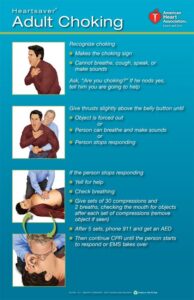
When someone is choking and unable to breathe, immediate action is necessary. The Heimlich maneuver is a standard first-aid technique:
- Stand behind the person and wrap your arms around their waist.
- Make a fist with one hand and place it just above their navel.
- Grasp your fist with the other hand and thrust inward and upward forcefully.
- Repeat the thrusts until the object is expelled.
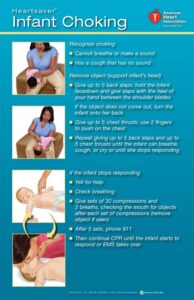
For infants, use gentle back blows and chest thrusts. Knowing basic first aid can be crucial in such situations, and learning these techniques can save lives.
What are anti-choking devices?
An anti-choking device is a tool designed to help clear an obstructed airway in cases of choking. These devices are intended for use when someone is unable to dislodge a blockage in their throat using traditional methods, such as the Heimlich maneuver. The primary purpose is to create suction or pressure to remove the object causing the obstruction, reducing the risk of suffocation.
There are a few types of anti-choking devices on the market, and they typically function in the following ways:
- Suction-based devices: These are designed to create a vacuum to pull out the object blocking the airway. A common example is the “LifeVac,” which uses a mask placed over the nose and mouth, and a plunger-like mechanism to generate suction and remove the obstruction.
- Vacuum masks: Similar to suction-based devices, these involve covering the mouth and nose with a mask and using a manual or mechanical pump to create suction. The goal is to generate negative pressure that dislodges and extracts the object from the airway.
These devices are often marketed for use in homes, schools, or public places as an emergency measure to be used before professional medical assistance arrives. While they can be helpful in emergencies, it is recommended to also know standard first-aid techniques for choking, as they may be needed if the device fails or is unavailable. Please note these devices are new on the market and while appear promising I don’t necessarily promote them. I am not affiliated with any of these companies.
Conclusion
Choking can happen to anyone at any time. By understanding the risks, knowing how to prevent it, and being prepared to act quickly, we can significantly reduce the chances of a tragic outcome. Learning first aid is an essential skill that ensures you can help when it matters most.