
February is known as National Heart Month, a time dedicated to raising awareness about heart disease, the leading cause of death in the United States. Traditionally, dietary recommendations for heart health have focused on low-fat diets, but recent insights have begun to challenge this approach, advocating for the benefits of certain types of fats. This blog will delve into why National Heart Month matters and explore the emerging perspective on high-fat diets for heart health.
The Significance of National Heart Month
Awareness and Education: National Heart Month serves as a critical reminder to educate the public about heart disease risk factors, symptoms, and prevention strategies. Awareness campaigns during this period aim to:
-
Inform about the dangers of high blood pressure, diabetes, and obesity, all significant contributors to heart disease.
-
Promote regular health check-ups, especially for those at higher risk.
-
Encourage lifestyle changes that can prevent heart disease or mitigate its effects.
Promotion of Heart-Healthy Habits: The month emphasizes adopting a heart-healthy lifestyle, which includes:
-
Physical Activity: Regular exercise is vital for maintaining heart health. It helps control blood pressure, reduces bad cholesterol levels, and supports weight management.
-
Dietary Changes: Traditionally, this has meant reducing dietary fats, but there’s a growing understanding that not all fats are equal.
-
Smoking Cessation: Smoking is one of the most significant risk factors for heart disease, and quitting can dramatically reduce this risk.
-
Stress Management: Chronic stress can contribute to heart disease; thus, learning to manage stress through various techniques is beneficial.
The High Fat Diet for Heart Health
For years, low-fat diets were the go-to recommendation for heart health, based on the belief that all fats were detrimental. However, recent research and nutritional science have shifted this view, highlighting the importance of dietary fats in several ways:
Differentiating Between Fats:
-
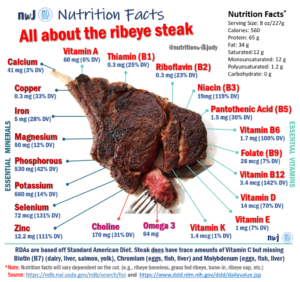
Saturated Fats: While still a concern, the nuance here is that not all saturated fats are created equal. For instance, coconut oil, although high in saturated fat, contains medium-chain triglycerides which can have different metabolic effects, fatty meats are also good and healthy options ribeye, bacon, hamburger cooked in their natural fats. Avoid all other vegetable oils which are high in OMEGA-6 Fatty acids, which lead to heart disease!

-
Unsaturated Fats: These are now recognized as beneficial. Monounsaturated fats (found in olive oil, avocados).
-
Trans Fats: The real villains, often found in processed foods, should be avoided as they increase bad cholesterol and decrease good cholesterol.
Benefits of a High-Quality Fat Diet:
-
Heart Disease Prevention: Diets rich in healthy fats
-
Satiety and Weight Management: Healthy fats can make you feel fuller longer, reducing the likelihood of overeating, which can help maintain or achieve a healthy weight.
-
Nutrient Absorption: Fats are necessary for the absorption of fat-soluble vitamins (A, D, E, K), which are crucial for overall health, including heart function.
Practical Tips for a Heart-Healthy High Fat Diet

-
Choose Your Fats Wisely: Opt for monounsaturated and polyunsaturated fats. Use olive oil for cooking, and include fish like salmon in your diet.
-
Saturated Fats: Focusing on sources of high-fat meats.
-
Avoid Trans Fats: Read labels to steer clear of partially hydrogenated oils. (many peanut butters contain this, avoid for your children’s health)
-
Balance Your Diet: Combine fats with other heart-healthy foods like fiber-rich vegetables, whole grains, and lean proteins.
-
Monitor Portion Sizes: Even healthy fats are calorie-dense, so portion control is key.
Conclusion
National Heart Month is not just about awareness but also about rethinking our approach to diet and heart health. The move towards incorporating healthy fats into our diets, while still maintaining a balanced approach, could be a game-changer for heart health. It’s about quality over quantity when it comes to fats, understanding our bodies’ needs, and making informed choices. As we celebrate National Heart Month, let’s not only focus on cutting out but also on what we should include in our diets for a healthier heart.