
January is designated as National Stalking Awareness Month (NSAM) in the United States, a time to focus on an often misunderstood crime that affects millions. Stalking is more than just an uncomfortable experience; it’s a traumatic, dangerous act that can escalate into severe violence. This month provides an opportunity to educate the public, support victims, and strengthen our collective response to stalking.
Understanding Stalking

Stalking involves a pattern of behavior directed at a specific person that would cause a reasonable person to feel fear. This can include following someone, showing up uninvited at their home or workplace, making repeated calls or sending messages, or using technology to monitor or harass. Contrary to popular media portrayals, stalking is not romantic or harmless; it’s a serious crime in all 50 states and at the federal level.
The Prevalence and Impact

Stalking is alarmingly common. According to the Stalking Prevention, Awareness, and Resource Center (SPARC), about one in three women and one in six men will experience stalking in their lifetime. The impact on victims can be profound, leading to significant psychological distress, including anxiety, depression, and PTSD. Victims often alter their daily lives, moving homes, changing jobs, or altering their routines to evade their stalker.
Why Awareness is Crucial
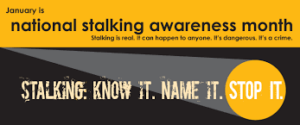
Awareness is pivotal for several reasons:
-
Education: Many people don’t recognize stalking behaviors, especially when they start subtly. Educating the public can lead to earlier intervention and support for victims.
-
Support for Victims: Stalking can be isolating. Awareness campaigns provide resources, legal information, and support networks for those affected.
-
Prevention: Understanding the signs of stalking can help prevent escalation. Communities can work together to foster environments where stalking is less likely to occur or continue unchecked.
-
Legal and Community Response: Greater awareness can lead to better law enforcement training, more effective legal responses, and community initiatives to tackle stalking.
How to Respond to Stalking

If you or someone you know is being stalked:
-
Document Everything: Keep records of all interactions. This can be crucial for legal action.
-
Seek Help: Contact local law enforcement, victim services, or organizations like SPARC. Many have hotlines and can offer immediate advice.
-
Safety Planning: Work with professionals to develop a safety plan, which might include changing daily routines, securing personal information, or getting legal protection like restraining orders.
-
Educate Yourself: Learn about your rights and the laws in your area concerning stalking.
Community Involvement
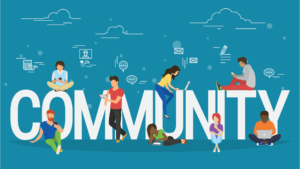
Everyone can contribute to NSAM by:
-
Educating Others: Share information about stalking through social media, community talks, or workshops.
-
Supporting Victims: Listen and believe victims when they share their experiences. Offer support or direct them to resources.
-
Advocating for Change: Push for better policies, training for law enforcement, and support systems for victims.
Conclusion
National Stalking Awareness Month serves as a reminder that we must not only acknowledge the gravity of stalking but also actively work to prevent it. By increasing awareness, we empower victims, challenge myths, and foster a community that stands against this crime. Let’s use this January to learn, share, and act, ensuring everyone knows that stalking is not a matter of love or pursuit but an act of fear and control.