
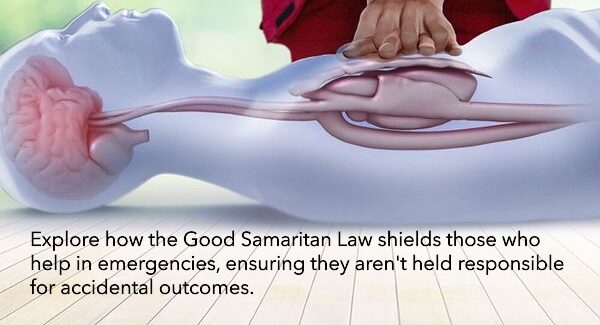
Navigating Kentucky’s Good Samaritan Laws: CPR, First Aid, and Legal Protection
In the heart of the Bluegrass State, Kentucky’s Good Samaritan laws(I have no affiliation or financial ties to Kaufman & Stiggers) provide a legal framework that encourages individuals to act during emergencies without the fear of facing litigation if something goes wrong. This legislation is particularly significant when it comes to administering CPR and first aid, where the stakes are literally life and death. Here’s an in-depth look at how these laws work and what they mean for those willing to help in emergencies.
Understanding Good Samaritan Laws in Kentucky

Good Samaritan laws are designed to protect individuals who provide emergency assistance to those in need. In Kentucky, these laws aim to remove the legal barriers that might prevent someone from offering help during a crisis. The fundamental principle is that if you act in good faith, without expectation of compensation, you are generally shielded from civil liability for any harm that might result from your assistance.

Kentucky Revised Statutes (KRS) 411.148 explicitly outlines protections for various professionals and laypersons who offer emergency medical care. This includes:
-
Physicians, nurses, and EMTs
-
Individuals certified in CPR by the American Heart Association or American Red Cross
-
Educational employees with first aid certification
-
Anyone using an Automated External Defibrillator (AED)
However, this protection has its boundaries. It does not cover acts of gross negligence (doing something intentional to cause additional harm), willful misconduct, or situations where the individual providing aid expects payment, like in a hospital setting.
The Role of CPR and First Aid

CPR (Cardiopulmonary Resuscitation) and first aid are pivotal in saving lives during emergencies like cardiac arrests, choking, or severe injuries. Here’s how Good Samaritan laws intersect with these life-saving techniques in Kentucky:
-
CPR: If you’re certified to perform CPR, Kentucky’s Good Samaritan law grants you protection when you act to help someone in cardiac arrest. However, this does not mean you’re immune from all accountability. You must act within the scope of your training, not recklessly or beyond your skill level.
-
First Aid: Similar protections exist for first aid providers. Whether you’re stopping bleeding or stabilizing an injury, the law supports your efforts, provided you act reasonably and within your capabilities.
-
AED Use: Kentucky law specifically extends Good Samaritan protection to the use of AEDs. This is crucial as immediate use of an AED can dramatically increase survival rates in cardiac arrest scenarios.
Real-Life Implications

Imagine you’re at a local park when someone nearby collapses. You are CPR certified. Here’s how the law would apply:
-
Acting in Good Faith: If you decide to perform CPR because there’s no immediate professional medical help available, you’re protected under Kentucky’s Good Samaritan law. You’re not liable for civil damages if your CPR does not save the person, assuming you followed your training.
-
No Gross Negligence: However, if you decide to perform a medical procedure you’re not trained for, or if you do so recklessly, you might not be shielded from liability. This means you’re not going above your level of training, so if you watched reruns of ER last night and decide you can do a tracheotomy, yeah you’re going to be liable.
-
Consent: In most emergencies, consent is implied if the person is unresponsive. But for conscious individuals, verbal or non-verbal consent should be sought before intervention.
Encouraging Community Action

Kentucky’s Good Samaritan laws foster a community ethos where helping is not just an act of kindness but is legally supported. They:
-
Promote Training: By offering legal protection, these laws encourage more people to get trained in CPR and first aid, knowing they can act without fear of legal repercussions.
-
Enhance Emergency Response: The assurance of legal protection can lead to quicker bystander intervention, significantly improving outcomes in medical emergencies.
-
Educate the Public: Awareness of these laws can lead to a more proactive public, ready to assist in emergencies, reinforcing community safety nets.
Conclusion
Kentucky’s Good Samaritan laws serve as a critical bridge between the moral impulse to help and the legal protections needed to act without fear. They provide a framework where individuals can feel empowered to perform CPR and first aid, knowing they are backed by the law as long as they act responsibly and within their training. This legal backing is not just about protecting the helper but is fundamentally about saving lives, one emergency at a time. Whether you’re at a crowded festival, a quiet neighborhood, or even on the road, understanding these laws can make the difference between life and death in critical moments. Remember, in Kentucky, when you choose to help, you’re not alone; the law supports your willingness to act.