
Narcan, also known as naloxone, is a life-saving medication used to rapidly reverse the effects of opioid overdose. Opioid overdoses can lead to severe respiratory depression, where breathing slows or stops completely, and Narcan is designed to restore normal breathing within minutes. This makes it essential in emergency situations involving opioids, including prescription painkillers (like oxycodone and morphine) and illicit drugs (such as heroin and fentanyl).
What is Narcan?
Narcan is an opioid antagonist, meaning it blocks the opioid receptors in the brain. When opioids are taken, they attach to these receptors, triggering effects such as pain relief, relaxation, and, at high doses, respiratory depression. Narcan binds to these same receptors but does not activate them. Instead, it displaces the opioids, reversing the life-threatening effects of the overdose. Narcan is particularly effective because it works quickly and can reverse overdoses within minutes, often preventing fatal outcomes.
How Narcan Works
Narcan comes in two main forms: nasal spray and injection. Both are effective, but the nasal spray has become more popular due to ease of use. When administered, Narcan blocks opioids from interacting with the brain’s opioid receptors, reversing the effects that suppress breathing and consciousness. It works for 30-90 minutes, buying crucial time to get the person medical help. However, Narcan does not stay in the body as long as some opioids, meaning additional doses may be needed if the person relapses into an overdose.
When to Use Narcan
Narcan should be used in cases of suspected opioid overdose. Common signs of overdose include:
- Loss of consciousness: The person may be difficult or impossible to wake.
- Slow or stopped breathing: Breaths may be slow, irregular, or absent altogether.
- Pinpoint pupils: Opioid overdose often causes the pupils to constrict tightly.
- Bluish or pale skin: Lack of oxygen can cause a bluish tint to the lips, fingertips, or face.
- Unresponsive to stimuli: The person may not respond to loud noises, shaking, or painful stimuli.
If these signs are present, administer Narcan immediately and call emergency services.
Types of Narcan and Administration
- Nasal Spray: Narcan nasal spray, the most common type, is available over-the-counter at many pharmacies and is simple to administer. Each spray contains a single dose, making it a convenient option.
- Injectable Form: Narcan can also be injected intramuscularly, intravenously, or subcutaneously. While the injectable form may be preferred in clinical settings due to precise dosing, it is not as common in non-medical settings.
Administering Narcan Nasal Spray
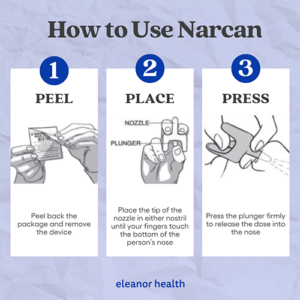
- Assess the Situation: Check if the person is unresponsive, has shallow or no breathing, or displays other overdose symptoms.
- Call for Help: Always call emergency services immediately, even if Narcan is on hand.
- Position the Person: Lay the person on their back. If possible, tilt the head back slightly to open the airway.
- Administer the Spray:
- Remove the nasal spray device from its packaging.
- Place the nozzle into one nostril, with the tip of the device facing toward the back of the head.
- Press the plunger firmly to release the dose.
- Observe and Wait: After administering the dose, wait for 2-3 minutes to observe a response. If breathing does not improve, or if the person does not regain consciousness, administer a second dose in the other nostril, if available.
- Provide Supportive Care: If the person regains consciousness, keep them calm and monitor them closely until medical help arrives. If breathing improves but they are not fully conscious, position them on their side in the recovery position to keep their airway open.
Important Considerations When Using Narcan
- Narcan’s Short Duration: Narcan lasts between 30 and 90 minutes, which may be shorter than the effects of certain opioids. It’s crucial to monitor the individual, as overdose symptoms may return.
- Side Effects: Narcan can cause withdrawal symptoms in individuals who are dependent on opioids, including nausea, vomiting, sweating, rapid heart rate, and agitation. While these symptoms can be uncomfortable, they are not life-threatening.
- Not a Substitute for Medical Care: Narcan should never be viewed as a replacement for emergency medical attention. After administration, the person still requires medical care and monitoring to ensure complete recovery.

- Multiple Doses: Some potent opioids, like fentanyl, may require multiple doses of Narcan to reverse the overdose effectively. Administer additional doses every 2-3 minutes if the person does not respond or if symptoms return.

How to Access Narcan
Narcan is available over-the-counter in many countries, including the United States, at pharmacies. Many communities and harm-reduction organizations offer Narcan for free, along with training on how to use it. First responders, healthcare workers, and anyone likely to encounter an opioid overdose should carry Narcan and be familiar with its use.
Conclusion
Narcan has proven to be a crucial tool in fighting the opioid overdose crisis. Easy to use and effective, it can save lives in a matter of minutes. It is essential to recognize overdose symptoms, administer Narcan quickly, and seek medical attention immediately. Increasing public awareness and accessibility to Narcan can help reduce opioid overdose deaths, making it a vital asset for communities affected by this public health challenge.