
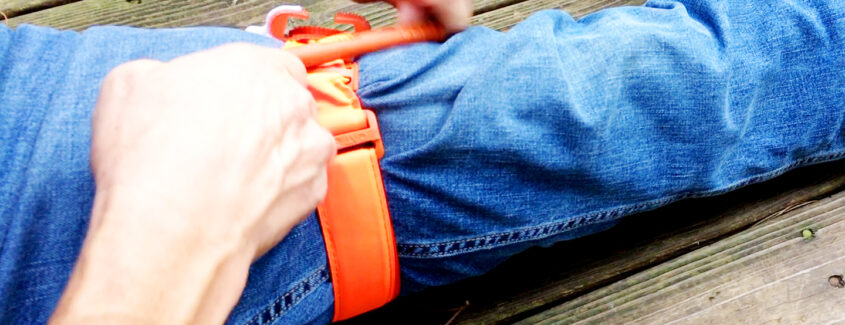
A tourniquet is a critical medical tool for managing severe bleeding, especially in emergency situations. Proper use can be life-saving, but misuse can cause damage, so it’s crucial to understand how and when to apply one. Below is a detailed guide covering the steps to use a tourniquet and a selection of reputable brands for reliable equipment.
Part 1: How to Use a Tourniquet
1. Understanding When to Apply a Tourniquet
Tourniquets are intended for life-threatening bleeding from an extremity (arm or leg) that cannot be controlled by direct pressure alone. Common scenarios where a tourniquet may be necessary include:
- Severe bleeding from a deep wound where blood spurts or flows rapidly
- Injury caused by accidents or trauma where arteries are severed
- Situations where direct pressure isn’t feasible due to the location or severity of the wound
Note: A tourniquet should only be applied as a last resort when all other attempts to control bleeding have failed. Improper application or prolonged use can lead to tissue damage and loss of limb function.
2. Preparation
Before applying a tourniquet, gather a tourniquet (or, in an emergency, a sturdy substitute such as a belt) and gloves, if available, to prevent infection. Clear the area around the wound of clothing or debris for easier access and placement of the tourniquet.
3. Selecting the Right Placement
- Position the tourniquet above the injury site. Ideally, place it 2-3 inches above the wound but avoid placing it over a joint, as this can reduce effectiveness.
- If the wound is high up on the limb, apply the tourniquet as high as possible on the affected limb, as close to the torso as feasible.
4. Applying the Tourniquet
- Step 1: Wrap the tourniquet around the limb firmly.
- Step 2: Tighten the strap securely. Most commercial tourniquets have a strap-and-buckle system that should be fastened tightly around the limb to restrict blood flow effectively.
- Step 3: Twist the Windlass: Most modern tourniquets include a windlass—a stick-like component—that you can twist to tighten the strap further. Twist it until the bleeding stops or blood flow is minimized to a slow oozing.
- Step 4: Secure the Windlass: Once the windlass is tight enough to control bleeding, secure it in place using the clips or holder provided on the tourniquet.
- Step 5: Record the Time: Make a note of the time the tourniquet was applied, if possible. This information is critical for medical personnel because prolonged use can lead to complications. Medical personnel typically aim to relieve a tourniquet within one to two hours, but emergency treatment should be sought as quickly as possible.

5. Post-Application Care
- Do not loosen the tourniquet once applied: Only trained medical personnel should decide if or when to remove or loosen the tourniquet.
- Monitor the patient: Look out for signs of shock or worsening symptoms. Keep the patient calm and warm, and seek emergency medical care immediately.
- Reassess as needed: If you’re waiting for a prolonged period for help, continue monitoring to ensure the tourniquet remains effective.
6. Potential Risks of Tourniquet Use
Using a tourniquet can lead to complications, including tissue damage, nerve damage, and muscle injury. However, if used correctly, the benefits of controlling severe bleeding often outweigh these risks, especially when immediate medical help is on the way. This reinforces the importance of applying a tourniquet only in life-threatening situations.
Part 2: Recommended Tourniquet Brands and Models
Choosing a high-quality tourniquet from a reputable brand is essential for reliability in emergency situations. Here are some of the top-rated tourniquet brands:
1. CAT (Combat Application Tourniquet)
- Description: The CAT Tourniquet is one of the most widely used and highly recommended options for both military and civilian use. It features a durable windlass and a one-handed design, making it user-friendly for self-application.
- Pros: Effective, well-tested in combat situations, easy to use under stress
- Cons: Slightly bulkier than some other options
- Ideal for: Military personnel, law enforcement, and civilians who want a proven, reliable product for first-aid kits
- Price: Generally around $30–$40
2. SOF Tactical Tourniquet (SOFTT)
- Description: The SOFTT-Wide is another popular option among emergency responders and military personnel. This tourniquet uses a strong metal windlass and offers high durability, especially suited for outdoor or harsh environments.
- Pros: Very durable with a strong, metal windlass; suited for various applications
- Cons: Heavier than some other models
- Ideal for: Tactical use, outdoor enthusiasts, and those needing a high-durability option
- Price: Around $30–$35
3. SAM XT Tourniquet
- Description: Known for its simplicity, the SAM XT uses a proprietary auto-locking system that makes application faster and easier than some other models.
- Pros: User-friendly, efficient locking mechanism; reduces chances of incorrect application
- Cons: Newer model, so there’s slightly less field feedback compared to older brands
- Ideal for: First responders, law enforcement, and civilians new to tourniquet application
- Price: Approximately $30–$40
4. RATS (Rapid Application Tourniquet System)
- Description: The RATS Tourniquet is made from a stretchable rubber material with a unique quick-release clasp. It’s designed to be rapidly applied in various situations, making it versatile for different types of injuries.
- Pros: Lightweight, easy to carry, fits in smaller first aid kits
- Cons: Not as standardized as other models; some experts express concerns about consistency in high-stress use
- Ideal for: Everyday carry, compact first-aid kits, individuals who prefer a lightweight option
- Price: Generally around $15–$20
5. SWAT-T (Stretch, Wrap, And Tuck Tourniquet)
- Description: This elastic band tourniquet is a versatile and affordable option that can double as a pressure dressing. It’s particularly suitable for children or individuals with smaller limbs.
- Pros: Versatile and compact; useful for a range of situations; cost-effective
- Cons: Requires two hands to apply effectively; may not be as reliable for self-application in high-stress situations
- Ideal for: Civilians, those on a budget, and individuals with first-aid training
- Price: Approximately $10–$15
Final Tips for Tourniquet Selection and Use
- Quality Matters: Avoid low-cost or off-brand tourniquets that may not perform well under pressure. Brands with medical and tactical reputations ensure higher reliability.
- Carry One if You Need One: If you’re in law enforcement, military, or wilderness environments, carrying a tourniquet in your first-aid kit is wise. Many accidents or trauma situations can escalate quickly, making a reliable tourniquet essential.
- Practice Beforehand: Familiarize yourself with your tourniquet’s design and application procedure. Knowing how to apply it in a controlled setting will improve your confidence and effectiveness during an emergency.
Conclusion
Using a tourniquet is a straightforward yet potentially life-saving technique when applied correctly. Selecting a reputable brand and practicing its use are key steps to ensuring you’re prepared for emergencies. Remember, tourniquets are tools for urgent, life-threatening situations, so understanding both their application and risks helps ensure the best possible outcomes in critical moments.