
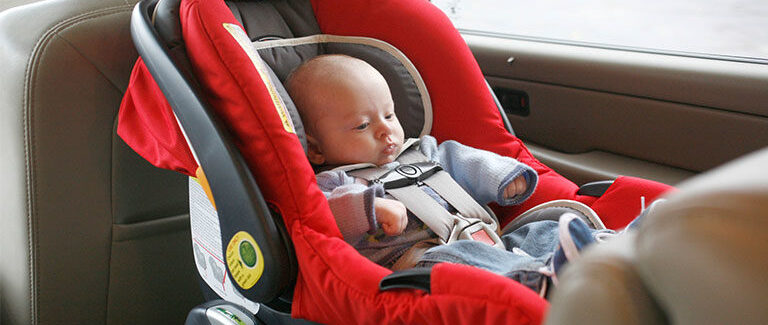
The Importance of Car Seat Safety: Protecting Your Child on the Road
As parents, safeguarding our children is one of our most significant responsibilities. Among the many ways to protect them, ensuring proper car seat safety is paramount. According to the Centers for Disease Control and Prevention (CDC), car crashes are one of the leading causes of death for children in the United States. However, the appropriate use of car seats, booster seats, and seat belts significantly reduces the risk of severe injury or death in a crash.
In this blog, we’ll explore why car seat safety matters, how to choose the right car seat or booster seat for your child, and offer resources to ensure you’re taking every precaution to protect your little one on the road.
Why Car Seat Safety Matters
Car seats are designed to provide critical protection for children by restraining their movement during a collision. Properly secured children are less likely to be ejected from the vehicle, a scenario often associated with severe injuries or fatalities.
Statistics illustrate the importance of using car seats correctly:
- Infant car seats reduce fatal injuries by 71% for infants in passenger vehicles.
- Booster seats reduce the risk of serious injury by 45% for children aged 4 to 8 compared to seat belts alone.
Despite these benefits, studies show that many parents install car seats incorrectly or transition their children out of car seats too soon, putting young passengers at risk. Understanding and adhering to car seat guidelines is crucial for your child’s safety.
Choosing the Right Car Seat
Every child is unique, and the best car seat for one child might not be suitable for another. Selecting the right car seat depends on your child’s age, weight, and height, as well as your vehicle’s specifications.
1. Rear-Facing Car Seats
- Suitable for newborns and toddlers.
- Recommended until at least age 2 or until the child reaches the maximum height and weight limits specified by the car seat manufacturer.
2. Forward-Facing Car Seats
- Designed for children who have outgrown their rear-facing seat.
- Equipped with a harness to secure the child.
- Typically used for children aged 2 to 7, depending on weight and height.
3. Booster Seats
- Necessary for children who have outgrown their forward-facing car seat.
- Raise the child so that the vehicle’s seat belt fits properly over the shoulder and chest.
- Recommended for children until they are 4 feet 9 inches tall, usually between 8 and 12 years old.
4. Seat Belts
- Once children outgrow booster seats, they can use the vehicle’s seat belt.
- Ensure the lap belt lies snugly across the upper thighs, not the stomach, and the shoulder belt crosses the chest and shoulder, not the neck.
Common Car Seat Mistakes
While most parents and caregivers understand the importance of car seats, common mistakes can undermine their effectiveness. Here are a few pitfalls to avoid:
- Incorrect Installation: Always follow the manufacturer’s instructions and ensure the car seat is securely fastened. Many local organizations offer free car seat inspection services.
- Transitioning Too Soon: Avoid moving your child to the next type of car seat before they outgrow the current one. Rear-facing seats offer the most protection for young children.
- Loose Harness Straps: Ensure the harness straps are snug and lie flat against the child’s chest, with no twists. The chest clip should be at armpit level.
- Using Expired Car Seats: Car seats have expiration dates, typically 6–10 years after manufacture. Check yours to ensure it’s still safe to use.
Resources for Parents
Navigating car seat safety can feel overwhelming, but you don’t have to do it alone. Here are some trusted resources to guide you:
- National Highway Traffic Safety Administration (NHTSA): Provides detailed guidelines on choosing and installing car seats.
- Safe Kids Worldwide: Offers resources and local events for car seat checks.
- CDC on Child Passenger Safety: Shares statistics and recommendations for protecting your child in the car.
Tips for Protecting Your Child on the Road
- Lead by Example: Always buckle up yourself to model safe behavior for your child.
- Regularly Check Fit: As children grow, periodically adjust the car seat or upgrade as needed.
- Avoid Used Car Seats: If you’re considering a second-hand car seat, ensure it hasn’t been involved in a crash and hasn’t expired.
Conclusion
Car seat safety isn’t just about following rules—it’s about giving your child the best possible chance to avoid injury in the event of an accident. By understanding the types of car seats, avoiding common mistakes, and utilizing available resources, you can take an active role in ensuring your child’s safety every time you hit the road.
Invest in a high-quality car seat, educate yourself on proper use, and never compromise when it comes to protecting your most precious cargo.
For more information, check out the top-rated car seats and booster seats to make the best choice for your family.
Your child’s safety is worth every effort.