
Raising Awareness About Cerebral Palsy:Understanding, Supporting, and Advocating
March is a month of renewal—spring begins to bloom, and with it comes an opportunity to shed light on important causes. One such cause is cerebral palsy (CP) awareness. Cerebral palsy is a condition that affects millions of people worldwide, yet it remains misunderstood by many. By increasing awareness, we can foster understanding, break down stigma, and support those living with CP to lead fulfilling lives. So, let’s dive into what cerebral palsy is, its impact, and how we can all contribute to a more inclusive world.
What Is Cerebral Palsy?

Cerebral palsy is a group of neurological disorders that affect movement, muscle tone, and coordination. It’s caused by abnormal brain development or damage to the developing brain, typically before, during, or shortly after birth. The term “cerebral” refers to the brain, and “palsy” indicates weakness or problems with muscle control. CP is the most common motor disability in childhood, with the Centers for Disease Control and Prevention (CDC) estimating that it affects about 1 in 345 children in the United States alone.
The condition varies widely in severity. Some individuals may experience mild symptoms, like slight clumsiness or difficulty with fine motor skills, while others may face significant challenges, such as being unable to walk or requiring lifelong care. CP is a lifelong condition, but it’s not progressive—meaning it doesn’t worsen over time. However, its effects can change as a person grows, adapts, and ages.
Causes and Risk Factors
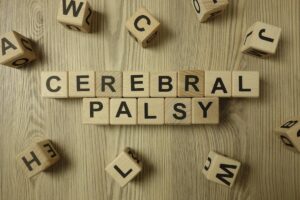
The exact cause of cerebral palsy isn’t always clear, but it’s often linked to disruptions in brain development. Premature birth, low birth weight, infections during pregnancy, lack of oxygen during labor, or head injuries in early childhood are some known risk factors. In some cases, genetic factors may play a role, though CP isn’t typically inherited. Advances in medical care have reduced some preventable causes—like improved prenatal care and safer delivery practices—but cerebral palsy remains a complex condition with no single origin.
What’s critical to understand is that CP isn’t a reflection of intelligence or potential. The brain damage that causes motor issues doesn’t necessarily affect cognitive abilities. Many people with CP have average or above-average intelligence, yet myths persist that conflate physical disability with mental incapacity. Awareness starts with debunking these misconceptions.
Types of Cerebral Palsy
Cerebral palsy isn’t a one-size-fits-all diagnosis. It’s classified into several types based on how it affects the body:
-
Spastic CP: The most common form, affecting about 80% of people with CP. It causes stiff muscles and exaggerated reflexes, making movements jerky or difficult.
-
Dyskinetic CP: Characterized by involuntary movements, such as twisting or writhing, which can affect the hands, arms, or legs.
-
Ataxic CP: This type impacts balance and coordination, often leading to shaky movements or trouble with precise tasks like writing.
-
Mixed CP: Some individuals experience a combination of the above symptoms.
Each type presents unique challenges, but with the right support—physical therapy, assistive devices, or surgery—many people with CP can improve their quality of life significantly.
Living with Cerebral Palsy: Challenges and Triumphs

Living with cerebral palsy means navigating a world that isn’t always designed for accessibility. Simple tasks—like tying shoelaces, climbing stairs, or even speaking clearly—can require extra effort or assistance. For those with severe CP, reliance on wheelchairs, communication devices, or caregivers is a daily reality. Fatigue is another often-overlooked struggle; the energy required to move with stiff or uncoordinated muscles can be exhausting.
But the story doesn’t end with challenges. People with CP are artists, athletes, advocates, and professionals. Take, for example, RJ Mitte, an actor from Breaking Bad, who has mild CP and uses his platform to advocate for disability rights. Or consider Abbey Nicole Curran, a former Miss USA contestant with CP who founded a pageant for girls with disabilities. These individuals remind us that CP doesn’t define a person’s worth or potential—it’s just one part of their journey.
Families, too, play a vital role. Parents of children with CP often become fierce advocates, pushing for better therapies, inclusive education, and societal acceptance. Their resilience is a testament to the power of love and determination.
Why Awareness Matters
So why dedicate time and energy to cerebral palsy awareness? Because knowledge is the first step toward change. Too many people still view CP through a lens of pity or ignorance, assuming it’s a barrier to a meaningful life. Awareness campaigns—like Cerebral Palsy Awareness Month in March or World Cerebral Palsy Day on October 6—aim to shift that narrative. They celebrate the achievements of those with CP, highlight their needs, and call for action.
Accessibility is a big piece of the puzzle. Public spaces, schools, and workplaces often lack ramps, elevators, or adaptive equipment, making inclusion harder than it should be. Awareness pushes for policy changes—like stronger enforcement of the Americans with Disabilities Act (ADA)—and encourages businesses to prioritize universal design. It also funds research into better treatments, from innovative therapies to cutting-edge technologies like exoskeletons that aid mobility.
On a personal level, awareness fosters empathy. When we understand what CP is and isn’t, we’re less likely to stare, judge, or exclude. We’re more likely to listen, learn, and lend a hand.
How You Can Get Involved
Raising awareness doesn’t require grand gestures—small actions add up. Here are some ways to contribute:
-
Educate Yourself and Others: Share articles, watch documentaries (like Crip Camp for a broader disability rights perspective), or talk to someone with CP about their experiences.
-
Wear Green: Green is the official color of CP awareness. Sporting a green ribbon or shirt in March is a simple way to spark conversations.
-
Support Organizations: Groups like the Cerebral Palsy Foundation or United Cerebral Palsy (UCP) fund research, provide resources, and advocate for policy changes. Donations or volunteering can make a difference.
-
Amplify Voices: Follow advocates with CP on social media, share their stories, and boost their visibility.
-
Push for Inclusion: Whether it’s advocating for a ramp at your local park or ensuring your workplace accommodates diverse needs, every step toward accessibility counts.
Looking Ahead

As we move into 2025 and beyond, the future for those with cerebral palsy is brightening. Medical advancements—like stem cell research or improved neurorehabilitation techniques—offer hope for better outcomes. Technology, too, is a game-changer; speech-to-text devices, motorized wheelchairs, and virtual reality therapy are empowering people with CP to live more independently.
But technology and medicine alone aren’t enough. True progress lies in how we, as a society, choose to respond. By embracing cerebral palsy awareness, we’re not just acknowledging a condition—we’re affirming the dignity, potential, and humanity of every person affected by it.
So, this March, let’s commit to learning more, doing more, and standing together. Cerebral palsy may shape lives, but it doesn’t define them. With awareness, support, and action, we can help ensure that everyone—regardless of ability—has the chance to thrive.