
Celebrating Women’s Contributions to First Aid and CPR: Lifesavers Breaking Barriers
March is a month of reflection and celebration—whether it’s raising awareness for conditions like multiple sclerosis or cerebral palsy, or honoring the incredible contributions of women during Women’s History Month. On this International Women’s Day, March 8, 2025, it’s the perfect time to spotlight the remarkable ways women have shaped the world of first aid and cardiopulmonary resuscitation (CPR). From pioneering techniques to advocating for equitable training, women have been at the forefront of saving lives and building safer communities.

A Legacy of Compassion and Innovation
The history of first aid and CPR is rich with women who turned compassion into action. One standout figure is Dr. Elizabeth Blackwell, the first woman to receive a medical degree in the United States in 1849. While she’s best known for breaking gender barriers in medicine, her work laid the groundwork for women to contribute to emergency care practices, including early forms of resuscitation. Her determination opened doors for future generations of women to influence life-saving techniques.
Fast forward to the 20th century, and we see women like Dr. Helen Taussig, a cardiologist whose innovative research on congenital heart defects in the 1940s indirectly advanced CPR methodologies. Her work helped medical professionals better understand the heart, paving the way for more effective resuscitation techniques that bystanders and first responders use today. These trailblazers showed that women’s voices in medicine could transform how we respond to emergencies.

Modern Pioneers: Women in CPR Advocacy
In recent decades, women have continued to make waves in first aid and CPR, often addressing gaps that others overlooked. Take Dr. Audrey Evans, a pediatric oncologist who, while not directly tied to CPR development, exemplified how women in medicine advocate for holistic care. Her emphasis on immediate, compassionate responses to crises mirrors the ethos of first aid—acting fast to preserve life.
Another modern contributor is Dr. Dianne Atkins, a pediatric cardiologist and key figure in the American Heart Association (AHA). Dr. Atkins has been instrumental in refining pediatric CPR guidelines, ensuring that life-saving techniques are tailored to children. Her research and leadership have made CPR more accessible and effective, empowering parents, teachers, and caregivers—many of whom are women—to act confidently in emergencies.
Breaking the Gender Gap in CPR Training
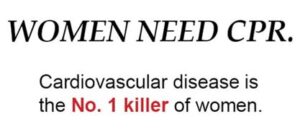
Despite their contributions, women have historically faced disparities in receiving CPR. Studies, like one from Duke University in 2019, revealed that women in cardiac arrest are 27% less likely to receive bystander CPR in public than men, often due to fears of inappropriate touching or cultural stigmas. Women in the field have fought to change this narrative. Initiatives like the Womanikin, developed in 2019 by JOAN Creative, introduced a female CPR training dummy to normalize performing CPR on women. This innovation, championed by women in advertising and health, tackles hesitancy head-on, ensuring that training reflects real-world diversity.
Women have also been vocal advocates for broader CPR education. Suzanne Monson, widow of Seattle radio legend Dori Monson, organized CPR classes after learning how rare bystander CPR is for out-of-hospital cardiac arrests. Her grassroots efforts highlight how women often step up to bridge knowledge gaps in their communities.
Empowerment Through Education
Today, women are not just contributors but also educators, teaching first aid and CPR to millions. Organizations like the American Red Cross and St. John Ambulance boast countless female instructors who train people of all ages. Events like Trauma Care International’s IWD 2025 First Aid Webinar, themed “The Power of a Woman with First Aid,” showcase how women come together to learn and teach life-saving skills, fostering confidence and empowerment.
Looking Ahead: A Call to Action
The contributions of women to first aid and CPR are profound, yet there’s still work to do. We need more female voices in research, more inclusive training tools, and greater public awareness to ensure everyone—regardless of gender—receives life-saving care when it matters most. This Women’s History Month, let’s honor these pioneers by learning CPR ourselves, supporting women in STEM, and advocating for equitable emergency response.
Women have always been lifesavers—whether through innovation, education, or sheer determination. Their legacy in first aid and CPR is a testament to the power of resilience and empathy. So, here’s to the women who’ve made history and those who continue to save lives—one heartbeat at a time.