

Understanding Epilepsy: Causes, Symptoms, and Treatment Options
Epilepsy is one of the most common neurological disorders, affecting around 65 million people worldwide. It is characterized by recurrent, unprovoked seizures, which are sudden bursts of electrical activity in the brain. The impact of epilepsy varies greatly from person to person; some may experience occasional mild symptoms, while others may have frequent and severe seizures that significantly affect their daily lives.
In this blog, we’ll explore what epilepsy is, what causes it, the various types of seizures, and the most effective treatment options currently available.
What Is Epilepsy?

Epilepsy is a chronic neurological condition marked by repeated, unprovoked seizures. It is not a single disease but rather a group of disorders that affect the brain’s electrical activity. The hallmark of epilepsy is the tendency for recurrent seizures, which can range from brief, subtle episodes of staring to full-body convulsions.
Seizures Explained: Seizures occur due to sudden, excessive electrical discharges in the brain. Neurons (nerve cells) communicate using electrical signals, but when these signals become disorganized or hyperactive, a seizure can occur. Seizures can be classified broadly into two categories:
- Focal Seizures: These begin in a specific area of the brain and may spread. They can be simple (without loss of consciousness) or complex (involving altered awareness).
- Generalized Seizures: These involve electrical discharges that affect the entire brain. They include several types, such as absence seizures (brief staring spells), tonic-clonic seizures (violent convulsions), and myoclonic seizures (sudden jerks).
Causes of Epilepsy
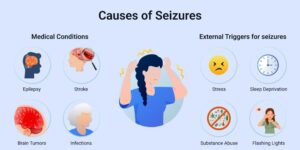
Epilepsy can be caused by various factors, and in many cases, the exact cause is unknown (idiopathic epilepsy). However, several known causes may lead to the development of epilepsy, including:
- Genetic Factors: Some types of epilepsy have a genetic basis, passed down from family members. Mutations in certain genes can make individuals more susceptible to seizures.
- Brain Injury: Trauma to the brain, such as a severe head injury, stroke, or an infection like meningitis, can lead to the development of epilepsy. In these cases, the epilepsy is referred to as acquired epilepsy.
- Developmental Disorders: Conditions like autism or neurofibromatosis are often linked to an increased risk of epilepsy, likely due to abnormalities in brain development.
- Brain Tumors or Lesions: Abnormal growths or scar tissue in the brain can disrupt normal electrical activity, leading to seizures.
- Prenatal Injuries: Brain damage before birth, often caused by an infection in the mother, poor nutrition, or oxygen deprivation, can increase the likelihood of epilepsy in children.
- Metabolic Disorders: Conditions affecting the body’s metabolism, like mitochondrial diseases, can trigger seizures.
Symptoms of Epilepsy
The primary symptom of epilepsy is seizures. However, the nature and severity of these seizures can vary significantly depending on the type of epilepsy. Some common symptoms include:
- Confusion or Disorientation: A person may appear confused or dazed after a seizure, especially if it was a complex focal seizure.
- Staring Spells: Brief episodes of staring into space, often seen in absence seizures.
- Uncontrollable Jerking Movements: These can affect the arms, legs, or face, typically during tonic-clonic seizures.
- Loss of Consciousness: A complete loss of awareness, which can occur in both generalized and complex focal seizures.
- Aura: Some people experience an aura, a sensation or feeling that warns them a seizure is about to happen. This might include a strange smell, a feeling of déjà vu, or a tingling sensation.
Diagnosing Epilepsy
Diagnosing epilepsy involves a comprehensive evaluation of the patient’s medical history, neurological examination, and various tests, including:
- Electroencephalogram (EEG): This test records electrical activity in the brain and can often detect abnormal patterns indicative of epilepsy.
- Magnetic Resonance Imaging (MRI): An MRI scan provides detailed images of the brain and can help identify structural abnormalities, such as tumors or lesions, that may be causing seizures.
- Blood Tests: These can help rule out other conditions, such as infections or metabolic disorders, that may trigger seizures.
A diagnosis of epilepsy is usually made when a person has had two or more unprovoked seizures.
Treatment Options for Epilepsy
The treatment of epilepsy aims to reduce or eliminate seizures, improve quality of life, and minimize side effects. While there is no cure for epilepsy, many people can effectively manage their symptoms with the right treatment plan. Here are the main approaches:
- Medication: Anti-seizure medications, also known as antiepileptic drugs (AEDs), are the most common treatment for epilepsy. There are many different AEDs available, and the choice of medication depends on the type of seizures, age, lifestyle, and overall health of the patient. Common AEDs include:
- Valproate: Often used for generalized seizures.
- Carbamazepine: Effective for focal seizures.
- Lamotrigine: Suitable for both focal and generalized seizures.
It may take some time to find the right medication and dosage, and patients may need to try several drugs before achieving optimal control of their seizures.
- Surgery: In cases where medications do not provide adequate seizure control, surgical options may be considered. Surgery aims to remove the part of the brain responsible for the seizures. Common surgical procedures include:
- Resection Surgery: Removing a small portion of the brain where seizures originate.
- Laser Ablation: Using laser technology to destroy seizure-causing tissue.
- Corpus Callosotomy: Severing the connection between the two hemispheres of the brain to prevent seizure spread.
Surgery is often considered only when the seizures are localized and resistant to medication.
- Vagus Nerve Stimulation (VNS): VNS therapy involves implanting a device that sends electrical impulses to the vagus nerve, which can help reduce the frequency and severity of seizures. It is often used when medications are ineffective.
- Ketogenic Diet: A ketogenic diet, high in fat and low in carbohydrates, can help reduce seizures in some individuals, particularly in children with drug-resistant epilepsy. The diet works by shifting the body’s metabolism to use ketones rather than glucose for energy, which can have an anti-seizure effect.
- Responsive Neurostimulation (RNS): RNS is a newer treatment involving a device implanted in the brain that monitors electrical activity and delivers small electrical pulses to prevent seizures when abnormal activity is detected.
- Lifestyle Modifications: Lifestyle changes can play a crucial role in managing epilepsy. Some recommendations include:
- Adequate Sleep: Lack of sleep can trigger seizures in many people with epilepsy.
- Stress Management: Stress can increase seizure frequency, so techniques like yoga, meditation, and deep breathing may be beneficial.
- Avoiding Triggers: Identifying and avoiding specific seizure triggers, such as flashing lights (in photosensitive epilepsy), alcohol, or certain medications, can help reduce the risk of seizures.
Living with Epilepsy
Epilepsy can be challenging to manage, but with the right treatment and support, many people with epilepsy can lead fulfilling lives. Education and awareness are essential, not just for those with epilepsy but also for family members, friends, and caregivers, who play a vital role in providing support.
Organizations like the Epilepsy Foundation offer resources, support groups, and educational materials to help people with epilepsy and their families navigate the challenges associated with the condition.
Conclusion
Epilepsy is a complex and diverse neurological condition that affects millions of people globally. While it can be a lifelong disorder, advances in medical research have made it possible for many individuals to effectively manage their seizures and lead normal lives. Early diagnosis, tailored treatment plans, and ongoing medical support are crucial in helping those with epilepsy achieve the best possible outcomes.
If you or a loved one is experiencing symptoms of epilepsy, it is important to consult a healthcare professional for an accurate diagnosis and to discuss the most effective treatment options. With the right care and management, people with epilepsy can thrive and reach their full potential.