
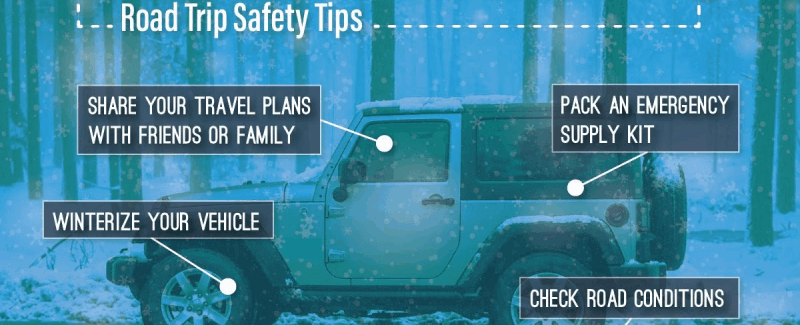
1. Pre-winter vehicle check
Before the first frost hits, treat your vehicle to a basic winter readiness check. Trusted sources such as AAA and Bridgestone Tire Company emphasize similar core items. AAA Exchange+2AAA+2
What to do:
-
Battery & charging system – Cold weather robs battery power. Have your battery tested, especially if it’s more than 3-4 years old or has shown signs of trouble. AAA+1
-
Tires & pressure – As temperatures drop, tire pressure drops roughly 1 PSI for every 10 °F. Check tread depth, sidewalls for cracks, and consider switching to winter tires if you live in a heavy snow/ice area. Kbb.com+1
-
Fluids & antifreeze (coolant) – Make sure the coolant/antifreeze mixture is correct (usually ~50/50) and the system is free of leaks; engine oil viscosity matters too since cold thickens oil. Quantrell Cadillac+1
-
Wiper blades & washer fluid – Install winter-wiper blades (rubber-booted) and use washer fluid rated for freezing temperatures to keep your windshield clear. Bridgestone Tires+1
-
Lights & visibility – Ensure headlights, tail lights, turn signals, and defrosters are working properly (and clean). Snow and grime reduce visibility. AAA
-
Belts, hoses & general maintenance – Cold temperatures can accelerate wear. Check for cracked hoses, worn belts, leaks around the engine. Kbb.com
Tip: Aim to do this just ahead of the first major snow or freeze. Waiting until the first snowstorm can mean you’re already behind the curve. BMW
2. Build your winter emergency kit
No matter how well you’ve prepped, winter driving holds more inherent risks. Having a kit in your car is essential. The National Highway Traffic Safety Administration (NHTSA) and other sources list key supplies you should have. NHTSA
Here are good product examples you can get now:


Here’s a quick summary of each:
-
Mayday Road Warrior Deluxe Cold Weather Auto Kit: A heavy-duty kit designed specifically for freezing temps, snow/ice conditions.
-
Her Hardware Deluxe Roadside Emergency Set: A solid choice covering booster cables, blanket, flashlight, first aid—good for general winter readiness.
-
AAA Traveler Road Emergency Kit (63‑Piece): Lots of components, from jumper cables to first aid; from a trusted brand in roadside assistance.
-
Thrive 104 Piece Car Emergency & First Aid Kit: Very comprehensive—great for families, road trips, deep winter travel.
-
VEVOR Car Emergency Kit (31‑Piece): More affordable, still meets many of the essentials.
-
Performance Tool Roadside Emergency Kit 11‑Piece: Minimalist but includes jumper cables, flashlight, safety vest—good backup option.
-
YILAIRIOU Car Roadside Emergency Kit: Budget-friendly, decent for everyday drivers in moderate winter conditions.
-
Auto Emergency Kit (35‑Piece): Compact, ideal if you have limited trunk space or want something tucked away for emergencies.
Please note I am not affiliated with any company and do not set prices, prices may vary from what is listed here.
How to choose:
-
If you live in heavy snow/remote areas: go with a comprehensive cold weather kit.
-
For city/suburban drives: a mid-level kit covers most needs.
-
For backup/travel car: a minimal kit is better than nothing.
3. Winter driving & in-use tips
Prepping your car is one thing; using it safely is another. Here are key behaviors and checks:
-
Keep your gas tank at least half full. This reduces condensation in the fuel tank and gives you heat if you end up stranded. Bridgestone Tires+1
-
Clear all snow/ice from your vehicle before driving — top of car, windshield, lights. Falling snow/slush is dangerous for you and other drivers. Constellation
-
Allow more stopping distance — slick roads require more time to brake. The NHTSA warns about the sharper drop in tire inflation and braking ability in cold weather. NHTSA
-
If you’re stranded: stay with your car, keep exhaust clear of snow buildup (to avoid carbon monoxide), and use hazard lights. Constellation
-
Check your tire pressure regularly in winter — temperatures shift fast, and underinflation affects traction. Kbb.com
4. Final checklist & closing thoughts
Here’s your quick checklist you can print and tick off:
-
Battery tested & in good shape
-
Tire tread + pressure checked
-
Coolant/antifreeze level mixed correctly
-
Winter-rated washer fluid in reservoir
-
Winter wiper blades or good condition blades
-
Lights, defroster, heaters working
-
Emergency kit in trunk (see suggestions above)
-
Clear snow/ice off car before driving
-
Gas tank at least half full
-
Know winter driving behavior (slower speeds, more distance)
Winter may bring inconvenience, but it doesn’t have to bring danger — not if you’re prepared. Take a little time now, invest in the right supplies, and you’ll be driving with confidence through the cold months ahead.