

As the crisp November air sets in around Kentucky, your drive to keep moving is commendable—but so is your heart’s workload. Whether you’re powering through a brisk outdoor walk, fitting in interval sprints, or simply shoveling the driveway, colder temperatures add extra strain on your cardiovascular system. This week, let’s explore why cold weather increases cardiovascular stress and how you can stay safe while staying active.
❄️ Why Cold Weather Affects Your Heart
When you step into cold air, your body immediately starts putting in extra work to maintain thermal equilibrium—and your heart plays a central role in that effort.
-
In cold environments, your skin’s blood vessels constrict (vasoconstriction) to reduce heat loss. That narrowing increases blood pressure and raises the heart’s workload. healtheuniversity.ca+2bhf.org.uk+2
-
At the same time, when you exercise, your heart rate and blood pressure naturally rise. When combined with cold exposure, the “double demand” magnifies heart stress—even in healthy individuals. Cardiology Prevention Observatory+2tandfonline.com+2
-
Cold air can make your coronary arteries narrow and reduce the oxygen supply to your heart muscle relative to its demand. healtheuniversity.ca
-
For people with underlying heart conditions (e.g., coronary artery disease, angina), cold-air exercise can increase risk of symptoms like chest pain or even a heart attack. www.heart.org+1
-
On the flip side: staying active in winter has real upside—outdoor cold-weather workouts can boost cardiovascular endurance and even help convert white fat to more active “brown fat.” University Hospitals+1
✅ Smart Strategies to Protect Your Heart While Working Out
Here are practical tips tailored for a Colorado-looking, Kentucky-based audience (but really applicable everywhere) to keep your heart safe and your workouts productive.
-
Layer smartly & cover up.
Choose moisture-wicking base layers, insulating mid-layers, and a wind- and water-resistant outer shell. Don’t forget gloves, a warm hat or headband, and a neck gaiter or scarf to warm inhaled air.Recommended gear:



A few highlights:
-
Nike Men’s Pro Dri‑FIT Warm Mock Neck Long Sleeve Shirt: A solid thermal base layer that keeps sweat away and helps regulate body heat.
-
Under Armour Men’s ColdGear Compression Mock: Compression fit with dual-layer fabric helps trap warmth without bulk.
-
Nike Therma‑FIT Full Zip Hoodie: A warm fleece outer layer for early-morning or late-day workouts.
-
Athleta Women’s Interval Jacket: Stylish and functional insulated jacket for women to handle brisk conditions.
-
DSG Women’s Cold Weather Compression Leggings & Brooks Women’s Momentum Thermal Pant: Lower-body gear that keeps you warm and supports movement.
-
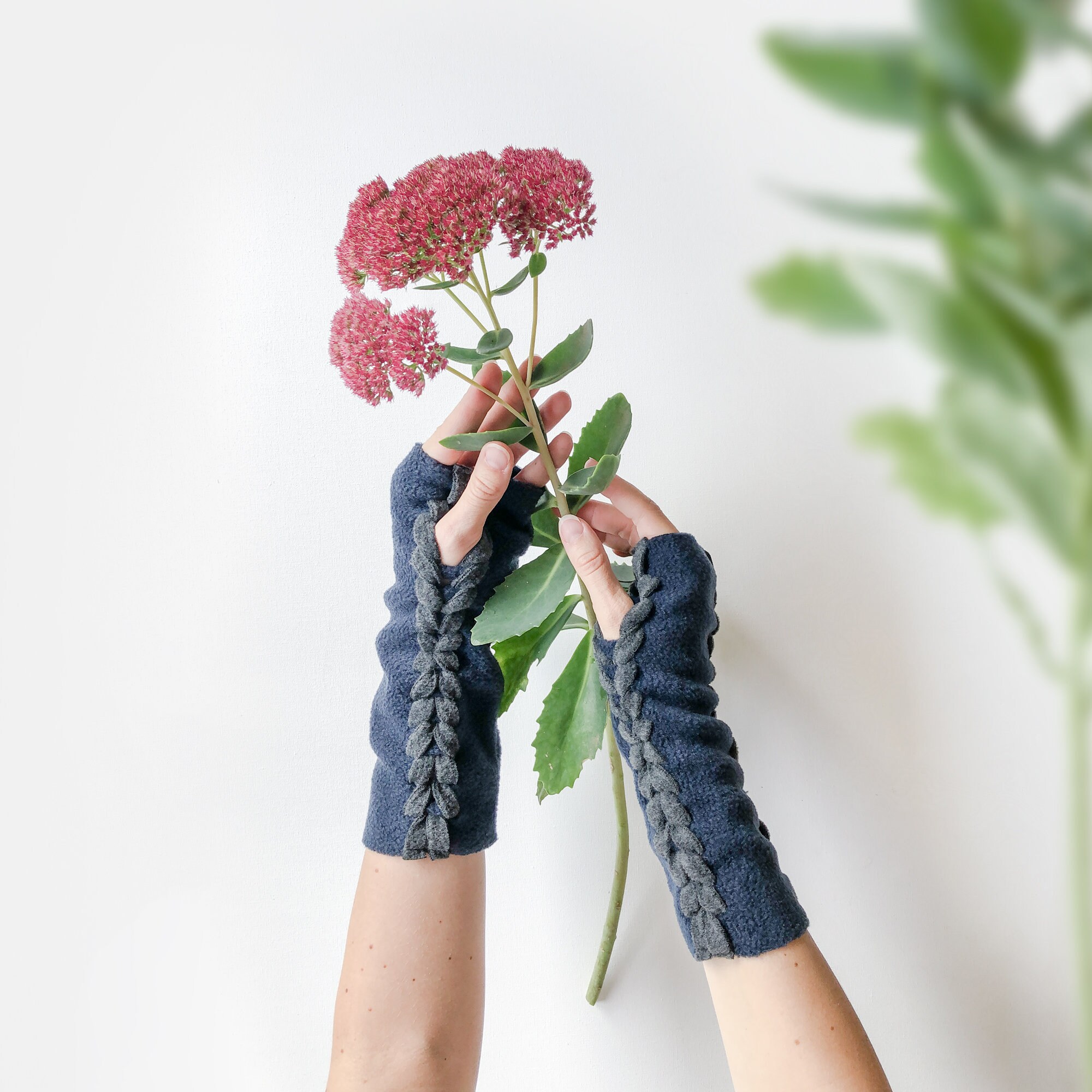
GreyMatter Fingerless Gloves: A versatile glove option when you want finger mobility and warmth.
-
REI Co‑op Swiftland Insulated Running Vest: A layering piece that offers insulation without restricting arm movement.
- I am not affiliated with any company prices are subject to change
-
Warm up longer, cool down smarter.
Start with 5–10 extra minutes of light activity (brisk walk, dynamic stretches) indoors or sheltered to raise core temperature. Wind and cold reduce muscle temperature and increase risk of injury. ACSM+1
After your workout, don’t just stop—spend 5 minutes cooling down, then change out of sweaty clothes quickly (sweat + cold = increased cardiovascular stress). -
Adjust intensity & listen to your body.
In cold air your heart might be working harder even at the same pace. Some runners report higher heart rate for same effort. Fleet Feet+1
If you feel unusual chest discomfort, breathlessness, or excessive fatigue — especially if you have any heart condition — dial back the workout or consider moving indoors. -
Mind the air you breathe.
When we inhale cold, dry air it can trigger reflex narrowing of airways and/or coronary arteries, increasing cardiac demand. healtheuniversity.ca+1
Use a scarf or buff over your mouth and nose to warm and humidify the air when temps are very low. -
Stay hydrated and fuelled — even when you don’t feel sweaty.
Cold weather suppresses sweat cues, but you’re still losing fluid. Dehydration thickens your blood a bit and may increase cardiac workload. Use insulated water bottle, sip regularly. -
Know when to stay inside.
If you have a known cardiac condition (angina, coronary disease, recent-MI) or it’s extremely cold/windy (wind-chill < 20°F or icy terrain), consider switching to indoor cardio (treadmill, indoor bike, stair climber). Verywell Health+1
🧡 Why This Matters for Your Heart & Your Mission
As the owner of Heart Warrior CPR based in Elizabethtown, KY, you know that prevention, awareness, and smart risk-management go hand in hand with hands-on lifesaving skills. The winter months don’t mean fitness takes a back-seat—they mean we have to be wiser about how we keep our hearts strong while staying active. By educating your clients, students, and followers about heart-smart cold-weather workouts, you reinforce your role not only as a CPR/First Aid provider but as a holistic health-educator and community safety advocate.
Linking fitness advice with heart awareness naturally complements your CPR training brand. Encourage your followers to protect their heart now so they can be strong, active, and ready if they ever need to respond to someone else’s cardiac emergency.
📋 Quick Recap
-
Cold air = tighter blood vessels, higher blood pressure, more cardiac strain.
-
Combine that with exercise and workload rises — smart prep is essential.
-
Layer up, warm up, hydrate, breathe warm air, and adjust intensity.
-
Know your health history. If you have heart issues, opt for indoor or light activity.
-
Stay consistent with your workouts—winter fitness is a heart-health win and part of your overall safety mindset.