
The Lifesaving Importance of Blood Donation
In the quiet corners of hospitals around the world, a silent hero plays a pivotal role in saving lives. This hero isn’t a person; it’s the blood donated by countless individuals. January, recognized as National Blood Donor Month in the United States, serves as a poignant reminder of the critical need for blood donations. Here’s why every drop matters:
Saving Lives One Donation at a Time
Blood donation is one of the most direct ways to impact someone’s life positively. Every two seconds, someone in the U.S. needs blood. Whether it’s for surgeries, cancer treatment, chronic illnesses, or traumatic injuries, the need is constant. Blood transfusions can mean the difference between life and death. For instance:
-
Accident Victims: Immediate access to blood can significantly increase survival rates.
-
Surgical Patients: Many surgeries require blood to compensate for blood loss.
-
Cancer Patients: Treatments like chemotherapy can severely affect blood counts, making transfusions essential.
-
Newborns: Premature babies often require blood transfusions due to their fragile health.
The Universal Need
One unique aspect of blood donation is that it transcends race, religion, and nationality. Blood types are universal human traits, and there’s always a demand for all types, especially O negative, the universal donor. Yet, only about 3% of the eligible population donates blood annually, creating a perennial shortfall.
The Gift of Time

Donated blood has a limited shelf life; red blood cells last about 42 days, and platelets only 5 days. This means the need for fresh donations is perpetual. Regular giving ensures hospitals are never caught short, especially during emergencies or when there’s an unexpected surge in demand.
Health Benefits for Donors
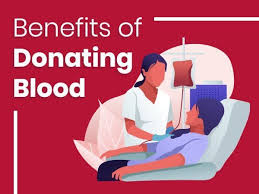
While the primary focus is on the recipient, donating blood can also benefit the donor:
-
Health Check: Donors receive a mini health check-up, including blood pressure, pulse, body temperature, and hemoglobin levels.
-
Iron Regulation: Regular donation helps in managing iron levels in the body, potentially reducing the risk of heart disease.
-
Well-being: Many donors report a sense of euphoria or the “helper’s high,” a feeling of happiness from helping others.
The Community Connection
Blood donation drives are more than just medical procedures; they’re community events that bring people together. They foster a sense of unity, responsibility, and civic duty. Schools, businesses, and local organizations often host drives, turning donation into a communal act of goodwill.
Educating the Next Generation
Educating young people about the importance of donating blood can cultivate a culture of giving. Schools and youth organizations can play a crucial role by informing about eligibility, the donation process, and the impact of their contribution, potentially creating lifelong donors.
Overcoming Myths

There are numerous myths about blood donation that deter potential donors:
-
Myth: Donating blood is painful and takes a long time.
-
Reality: The actual donation takes about 10 minutes, and while there’s a minor prick, many describe it as less painful than expected.
-
-
Myth: You can’t donate if you’re afraid of needles.
-
Reality: Fear is understandable, but many find that the sense of accomplishment outweighs the initial fear.
-
A Call to Action

The call to donate blood is not just for National Blood Donor Month; it’s a year-round appeal. Whether you’ve donated before or are considering it for the first time, your contribution can make a monumental difference.
By donating blood, you’re not just giving a part of yourself; you’re giving someone else the chance to live another day, celebrate another holiday, or see another sunrise. It’s one of the purest forms of altruism, where the gift is life itself. Let’s pledge to not only donate but also to encourage others, ensuring that this vital resource is never in short supply.
Conclusion
The importance of blood donation cannot be overstated. It’s a simple act with profound implications. As we move through January or any other month, let’s remember the silent heroes in our veins and the lives they can save. If you’re eligible, consider making a donation; your blood could be the key to someone’s survival.