
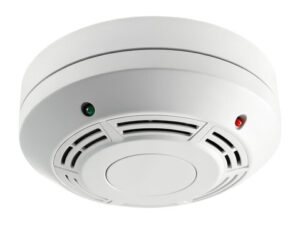
Keeping your family safe from fire starts with a small device that costs less than dinner out: your smoke detector. It’s easy to forget about them—until you need them most. Here’s a clear, practical guide to keeping your alarms reliable and rounding out your home fire-safety setup.
Why smoke detectors matter
-
Early warning saves lives. Most fatal home fires happen at night. Working alarms can cut the risk of dying in a home fire by about half.
-
Smoke spreads fast. You often have 2–3 minutes to escape once a fire grows—seconds count.
What to have in every home
-
Smoke alarms in the right places
-
Inside every bedroom
-
Outside each sleeping area (hallway)
-
On every level of the home, including the basement and attic (if finished or used)
-
In living areas (family room/den)
-
At least 10 ft (3 m) from kitchens to reduce nuisance alarms
-
For larger homes (over 1,000–1,200 sq ft per level), add extra alarms so sound carries everywhere.
-
-
The right types of alarms
-
Photoelectric: better for slow, smoldering fires (common in bedrooms/living rooms).
-
Ionization: faster at detecting quick, flaming fires (common in kitchens/garages).
-
Dual-sensor or combination alarms provide balanced coverage.
-
Interconnected alarms (wired or wireless): when one sounds, they all sound.
-
CO (carbon monoxide) alarms: required if you have fuel-burning appliances, fireplaces, or attached garages. Place one on each level and near sleeping areas (follow manufacturer height guidance).
-
-
Fire extinguisher(s)
-
At least one ABC-rated extinguisher on each level; keep one in the kitchen and one in the garage.
-
Mount where it’s visible and reachable (not under the sink behind clutter).
-
-
Escape plan
-
Two ways out of every room, clear window egress, and a family meeting spot outside.
-
Practice twice a year (day and night). Teach kids to crawl low under smoke and check doors for heat.
-
Maintenance that actually keeps you safe
Monthly (set a recurring reminder)
-
Test every smoke and CO alarm using the test button until you hear the full alarm.
-
Check indicator lights (green/solid = powered; red/flash patterns vary—review manual).
-
Listen for chirps: a chirping detector usually means low battery or end-of-life warning.
Every 6 months
-
Replace 9V or AA batteries (unless you have sealed 10-year alarms). A good habit is at daylight saving time changes.
-
Vacuum or dust the alarm vents with a soft brush to remove cobwebs and debris that delay sensing.
Annually
-
Review placement after renovations or room reconfigurations.
-
Press-and-hold test to confirm interconnection (all alarms should sound together).
Every 10 years (or per label)
-
Replace the entire smoke alarm unit. Sensors degrade with age even if they still beep when tested.
Tip: Check the manufacture date printed on the back; add 10 years to find your replacement year. -
CO alarms usually last 5–7 years (check your model).
Battery basics (don’t skip this)
-
Use manufacturer-recommended batteries; avoid mixing brands or old/new batteries.
-
If nuisance alarms are common (e.g., kitchen steam), move the alarm or choose photoelectric near kitchens.
-
Consider 10-year sealed lithium alarms to eliminate routine battery changes (you’ll replace the whole unit at end-of-life).
-
Never disable or remove a battery to stop a nuisance alarm. Fix the cause, relocate, or upgrade the device.
Smart and special-situation options
-
Smart detectors (Wi-Fi): send phone alerts, self-test reminders, and low-battery notifications—great for rentals or frequent travelers.
-
Bed-shaker or strobe alarms for people who are deaf/hard of hearing.
-
Heat detectors for garages, attics, or workshops where dust or fumes can trigger false alarms (they detect rapid temperature rise).
Kitchen & heating safety (top fire starters)
-
Stay within arm’s reach when frying, broiling, or grilling. If you need to step away, turn the burner off.
-
Keep a lid nearby to smother small pan fires; never use water on grease fires.
-
Space heaters: 3-foot (1 m) clearance on all sides; plug directly into a wall outlet (no power strips).
-
Dryers: clean the lint filter every load and vent duct every 6–12 months.
-
Electrical: avoid daisy-chaining power strips; replace damaged cords; don’t overload outlets.
Home fire-safety checklist
-
Working smoke alarms in bedrooms, hallways, each level
-
CO alarms on each level (if applicable)
-
Interconnected alarms (test monthly)
-
Batteries fresh (or 10-year sealed units)
-
Extinguishers: ABC type, accessible, pressure gauge in green
-
Kitchen safety: lids handy, no distractions while cooking
-
Space heater clearance, dryer vent cleaned
-
Practiced escape plan & meeting spot (twice/year)
-
House numbers visible for first responders at night
Quick myths to forget
-
“I’ll smell smoke and wake up.” Most people won’t; smoke can make you sleep deeper.
-
“Testing the alarm once is enough.” Dust, humidity, and age affect performance—test monthly.
-
“New construction means I’m covered.” Built-in alarms still need regular testing and eventual replacement.
Final word
A smoke detector is the cheapest, hardest-working life insurance you’ll ever own—if you maintain it. Test monthly, change batteries on schedule, replace units at end-of-life, and back them up with CO alarms, extinguishers, and a practiced escape plan. Those habits turn emergencies into survivable events.