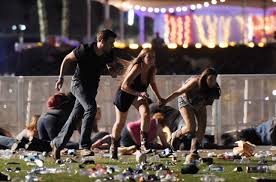
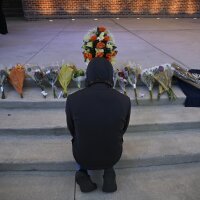
In the wake of the recent heartbreaking school shooting, our hearts are heavy. Families are shattered, communities are left searching for answers, and we are once again reminded of the fragility of life. In moments like these, words often fall short. The grief is overwhelming, and yet in the face of such tragedy, we must also ask ourselves—what can we do to be better prepared to save lives when the unthinkable happens?
One powerful step is Stop the Bleed training.
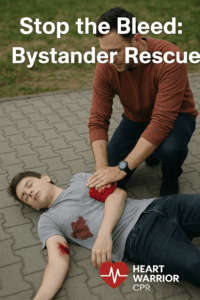
When violence erupts, it often isn’t the arrival of EMS or hospital staff that determines whether someone survives. It’s the actions of those who are there in those critical first minutes—teachers, staff, parents, students, and bystanders. A severe bleeding injury can take a life in as little as 3–5 minutes. Knowing how to apply pressure, pack a wound, or use a tourniquet can mean the difference between life and death.
Just as we pactice fire drills and lockdowns, we must normalize teaching bleeding control skills. It is not about fear—it is about empowerment. It is about equipping everyday people with the knowledge to act with courage and compassion when seconds matter most.
Think of the teachers shielding their students, the first responders running toward danger, the classmates comforting one another in chaos. Imagine if, along with their bravery, they also carried the skill to stop massive bleeding. How many more lives might be saved?
Stop the Bleed is not just a training program—it is a movement. A movement rooted in the belief that ordinary people can become heroes. And in a time when violence too often finds its way into our schools, our shopping centers, our places of worship, this training is more relevant than ever.
While we work toward a future where no child faces such terror, we cannot ignore the present. We owe it to those we’ve lost—and to those we love—to be ready.
If you are a parent, consider bringing Stop the Bleed training to your school. If you are an educator, advocate for your staff to be trained. If you are a community member, learn the skills yourself. Because the reality is simple: you may be the one who has the power to save a life before help arrives.
Let us honor the memory of those lost not only with words, but with action. Let us transform heartbreak into preparedness, grief into determination, and fear into hope.
Every second matters. Every life matters. And together, we can make a difference.