
Shining a Light on Human Trafficking: National Awareness Month

January is not just the start of a new year; it’s a critical time when we turn our collective attention to one of the most pervasive yet under-discussed crimes: human trafficking. Designated as National Human Trafficking Prevention Month in the United States, this time is dedicated to raising awareness, educating the public, and mobilizing action against this inhumane practice. Here’s an in-depth look at human trafficking, why we need to talk about it, and how we can contribute to its eradication.
Understanding Human Trafficking
Human trafficking is the trade of humans, most commonly for the purpose of forced labor, sexual exploitation, or involuntary servitude. It’s a global issue that transcends borders, affecting millions worldwide, with victims ranging from children to adults, all exploited for the profit of others. This crime is often hidden within legitimate businesses, making it all the more insidious.
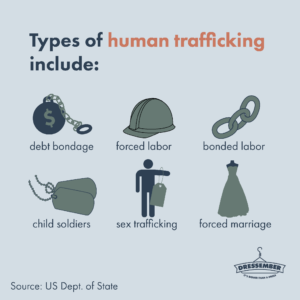
Forms of Human Trafficking:
-
Sex Trafficking: Involves the exploitation of individuals through prostitution or sexual acts for commercial gain.
-
Labor Trafficking: Encompasses forced labor in industries like agriculture, manufacturing, mining, or domestic service.
-
Child Trafficking: Specifically targets minors for labor, sexual exploitation, or even for adoption or begging.
The Scale of the Problem

Estimates vary, but it’s believed that there are tens of millions of victims globally at any given time. In the U.S., thousands of cases are reported annually, though the actual number is likely much higher due to underreporting and the clandestine nature of the crime.
Why Awareness Matters
Education and Prevention:
-
Myth-Busting: Dispelling myths like trafficking only happens in certain countries or to certain types of people is crucial. It’s everywhere, and anyone can be a target.
-
Empowerment: When the public understands the signs, they’re empowered to take action, whether through reporting suspicions or supporting anti-trafficking efforts.
- Recognition: Identifying victims is the first step toward helping them escape exploitation.
-
Resources: Increased awareness leads to more resources for survivors, including legal aid, psychological support, and reintegration programs.
-
Stronger Laws: Public demand for action can lead to better laws and more robust enforcement against traffickers.
-
Collaboration: Awareness fosters cooperation between different sectors—government, NGOs, businesses, and communities—to combat trafficking more effectively.
Signs to Look For:
-
Behavioral Indicators: Fear, submissiveness, or inability to speak for oneself.
-
Physical Signs: Unexplained injuries, malnourishment, or signs of physical restraint.
-
Environmental Cues: Living or working in poor conditions, excessive work hours, or lack of personal freedom.
Red Flags in Specific Contexts:

-
In Hotels: Unusual patterns of room bookings, guests with multiple visitors, or minors in adult company.
-
In Workplaces: Workers without control over their documents, unpaid wages, or living at the workplace.
What Can You Do During National Awareness Month?
Educate Yourself and Others:
-
Attend or organize awareness events.
-
Use social media to spread facts and combat myths about human trafficking.
Take Action:
-
Report: If you suspect trafficking, contact the National Human Trafficking Hotline (1-888-373-7888) or local authorities.
-
Support: Volunteer or donate to organizations like Polaris Project, International Justice Mission, or local anti-trafficking groups.
-
Advocate: Push for policies that protect victims and prosecute traffickers more effectively.
Be Vigilant:
-
Stay alert to the signs in your community, workplace, or during travel.
-
Encourage businesses to adopt policies against trafficking in their supply chains.
Conclusion
Human trafficking is a stain on humanity that requires our collective action to erase. National Human Trafficking Prevention Month serves as a reminder that change begins with awareness. By educating ourselves, recognizing the signs, and acting when we see something wrong, we contribute to a world where human dignity is not for sale. Let’s use January to not only raise awareness but to commit to year-round vigilance and activism against human trafficking.