Helping Hands: Teaching Kids Basic First Aid at Home

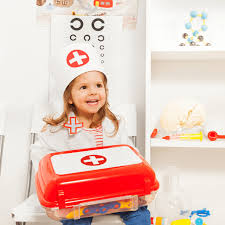
Family time often brings joy, togetherness, and opportunity—but it can also bring moments where someone scrapes a knee, bites their tongue, or panics when something unexpected happens. Thanksgiving week is a perfect time to turn togetherness into preparedness. By teaching children simple first-aid skills and having a good home kit on hand, you empower them not just to be safe—but to help when help is needed.
Why teach kids first aid?
When we train children, we build confidence. They learn that they’re not just bystanders—they’re helpers. According to the American Heart Association, immediate bystander action (including CPR or basic first aid) dramatically increases survival chances in emergencies. cpr.heart.org+2CPR Certification Cincinnati+2 And when a family is prepared, the whole household benefits.
At‐home first aid kit: your cornerstone
Before you even begin the training, make sure your home is equipped. A well-stocked first aid kit helps you act quickly—and with confidence rather than panic. Experts say that many accidents at home are avoidable when the right tools and training exist. Health+1
Here are some top kit options to consider:


Here’s how to interpret them:
-
American Red Cross First Aid Kit Plus: A very high-quality “go-to” kit for the home with labelled compartments and trusted brand.
-
HDX OSHA Plastic First Aid Kit 260‑Piece: Huge kit, designed originally for workplace/OSHA but excellent for a busy household or multi-child home.
-
Adventure Medical Easy Care Complete First Aid Kit: Premium organization, good for families who also travel or bring kids to lots of activities.
-
First Aid Only All‑Purpose Emergency First Aid Kit 260 Piece: Big piece count, great value for what you get.
-
American Red Cross Be Red Cross Ready First Aid Kit: Home/auto versatile, moderate size—good stepping stone.
-
Welly First Aid Kit 130 ct: Stylish, compact, good for smaller homes or a secondary kit (car, backpack).
-
Equate All‑Purpose First Aid Kit 140 Items: Budget-friendly option that covers essentials without high cost.
-
up&up First Aid Kit 85 pc: Simple basic kit—great for starter home kit if budget is tight, though you might want to supplement it later.
What should your kit include?
According to the American Red Cross and other expert guides, in addition to bandages and antiseptic, you’ll want: gloves, scissors, tweezers, a thermometer, a blanket, basic medications (as appropriate), and a clear manual or guide. Red Cross+1 Also, review the contents periodically—expiration dates matter, and things get used up. Outdoor Gear Lab+1
Making it a family, kid‐friendly experience
Here’s how you can turn first aid readiness into a fun, educational moment with your kids:
-
Gather supplies together – Bring the kit out, show them all the items, and let them help organize or label compartments.
-
Explain simple scenarios – “If someone falls and scrapes their knee, here’s what you do.” Use age-appropriate language.
-
Teach a few key skills – Clean the wound, apply a bandage, check for breathing, call 911 (or 988 for mental health support)—basic but empowering.
-
Practice together – Do a dry run: someone pretends they fell, someone else goes through the steps, you guide.
-
Set a “first aid check” monthly – Let your children help inspect the kit, check for missing/expired items, make it part of family routine.
-
Link it to your training – Mention that your family (parents + children) can go further by getting certified together with Heart Warrior CPR: “We offer kid-friendly orientations, parents + kids sessions – bring the whole family and learn life‐saving skills together!”
Why training matters
Even with a great kit, items alone don’t replace knowledge. The American Heart Association’s Heartsaver® courses teach first aid, CPR, and AED use—ideal for anyone with little or no medical training who wants to be prepared. cpr.heart.org+1
At Heart Warrior CPR we deliver these courses (First Aid / CPR / AED) in the Louisville / Southern Indiana region, credited by the AHA. heartwarriorcpr.com+1
By combining a ready kit at home and solid training for your family, you raise your household’s readiness and peace of mind.
Thanksgiving week special angle
During the week of Thanksgiving, when many family members gather, when cooking is happening, when excitement (and busy-kids) ramp up—the risk for slips, burns, sprains, choking goes up. Use the holiday as a teachable moment:
-
Suggest families review their kit together before guests arrive.
-
Prompt a quick 5-minute “first aid safety huddle” around the thanksgiving table: “What if Aunt Mary chokes? What if Dad burns his arm?”
-
Encourage booking a family class at Heart Warrior CPR before the holiday guests arrive (or soon after) to set the tone for safety through the rest of the year.
Call-to‐action
If you’d like to take your family’s readiness to the next level, register for a “Family First Aid & CPR” class with Heart Warrior CPR. Make it a gift to yourself and your loved ones this holiday season.
In summary
By teaching kids basic first aid, ensuring your home has a well-equipped kit, and getting certified together, you don’t just prepare for accidents—you build confidence, readiness, and peace of mind. This holiday week, as you gather around the table, turn those moments of togetherness into building blocks of safety. Because a prepared family is a safe family.