
Hunting Season Safety: What to Do if an Accident Happens in the Woods
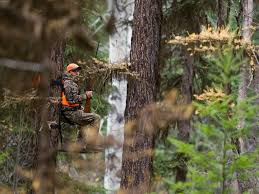
When the crisp air and quiet woods draw you out this time of year, the thrill of the hunt brings excitement — but also real risk. Whether you’re tracking game, navigating unfamiliar terrain, or simply hiking in deep woods, an accident can quickly turn serious. As a certified instructor with American Heart Association courses and a focus on first aid, I want to equip you with practical tools for bleeding, shock, and fractures — because being prepared can make all the difference.
And yes — you’re invited to join my upcoming training in Wilderness First Aid and the nationally-recognized STOP THE BLEED® program. Here is a great first aid kit to take with you on your hunt.
Bleeding: Control it fast
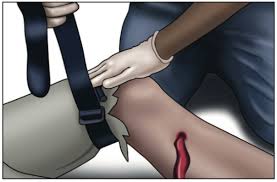
One of the most urgent threats in any outdoor accident is severe bleeding. According to the American College of Surgeons STOP THE BLEED program, “the number-one cause of preventable death after injury is bleeding.”
Here’s what to keep in mind in the woods:
-
Always assess whether it’s safe for you to approach. Your safety is your first priority.
-
Apply direct pressure over the wound with your hand, a clean cloth, or whatever you have. If bleeding continues, keep adding dressings — don’t remove the first layer. Mayo Clinic+1
-
If you have a tourniquet and have been trained to use it, apply it as soon as direct pressure isn’t controlling the flow. The STOP THE BLEED curriculum emphasizes hands-on training in: direct pressure → wound packing → tourniquet. ACS Stop the Bleed+1
-
Pack a wound (especially a deep/life-threatening one) if possible. Wound packing squashes the space where blood flows and is part of advanced bleeding control.
-
Once bleeding is under relative control, cover the wound with a clean bandage, elevate the limb if it’s an arm or leg, and monitor for signs of shock (see next section).
-
A simple link for more on severe bleeding first aid: Mayo Clinic – Severe bleeding first aid basics Mayo Clinic
When you take my STOP THE BLEED or Wilderness First Aid course, we’ll practice these in realistic outdoor scenarios — so you leave with confidence, not just theory.
Shock: Don’t ignore it
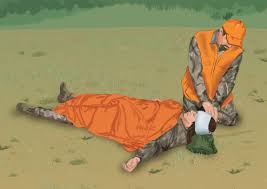
Even if the wound appears under control, internal trauma or major blood loss can trigger shock. In the wilderness, the sooner you identify it, the better your outcome. According to wilderness-first-aid guidance, once you’ve stabilized bleeding and immobilized fractures, you should treat for shock.
Here’s what to watch for and what to do:
-
Signs: pale/cold/clammy skin, rapid breathing or pulse, weakness or fainting, nausea, confusion, or restlessness.
-
Get the person lying down (flat if possible), elevate their legs if no injuries forbid it, cover them to keep them warm, and keep them calm.
-
Reassure the injured party, monitor vital signs (pulse, breathing, level of consciousness), and prepare for evacuation or calling for help.
-
At the same time, you should continuously reassess for further bleeding or fracture complications — because shock may be the result of things you didn’t initially spot.
In our Wilderness First Aid course, we cover how to spot shock early and integrate it into your emergency plan so you’re not just treating a wound in isolation.
Fractures: Stabilize and protect
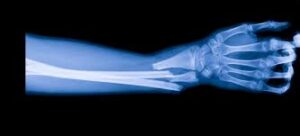
Hunting terrain can be uneven, slippery, or obscured by leaves and brush — all conducive to slips, falls, and fractures. According to the Mayo Clinic, in fractures you should stop any bleeding, keep the injured area from moving, and apply a splint (if trained) including the joints above and below the break. Mayo Clinic+1
Here is a practical breakdown:
-
When you suspect a fracture: pain, deformity, bruising, inability to move or bear weight, maybe a “pop” at time of injury. Direct Orthopedic Care+1
-
Before you splint: make sure bleeding is controlled, and that you’ve supported the person so movement is minimized. theoutdoorsurvivalguide.com
-
Splint using rigid objects (branches, hiking poles, rolled-up clothing) along the injured limb including one joint above and one joint below the injury. Pad between the limb and the splint. Direct Orthopedic Care+1
-
After immobilizing: re-check circulation and sensation beyond the injury/cast/splint (to ensure you haven’t cut off blood flow). Monitor for swelling, increased pain, or color change.
-
Evacuate or arrange for transport as soon as safely possible. A fracture in the woods often becomes worse if the person tries to hike out unassisted.
Our Wilderness First Aid training includes hands-on practice in creating improvised splints, assessing fractures in remote terrain, and planning safe evacuation options.
Why this matters for hunting season
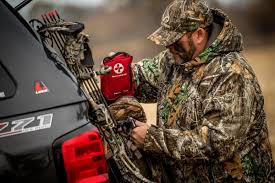
In the woods, you may be far from professional medical help. Response times are longer. According to the DoD-based STOP THE BLEED program, in rural settings first responders may take 30-45 minutes to arrive.
That means your actions in the first minutes are critical. Being prepared means:
-
Bringing a well-stocked first-aid kit (including items for bleeding control, splints, dressings, and a tourniquet if trained)
-
Having a plan for how to communicate or evacuate (satellite phone, cell coverage map, letting someone know your route)
-
Having the knowledge and confidence to act— not freeze— when injury happens
-
And ideally, having taken formal training so you’ve practiced before it happens.
How we help you
At Heart Warrior CPR & First Aid Training (that’s us), you have two great training options to prepare for hunting-season and remote emergencies:
-
Wilderness First Aid: A focused course that covers wound management, fractures/splints, shock, environmental factors (cold, terrain, wilderness evacuation).
-
STOP THE BLEED®: A one-hour nationally-recognized program developed by the DoD and the American College of Surgeons to teach bystanders how to control life-threatening bleeding.
I invite you to click here [insert your class link] to view upcoming dates and register. Spots are limited.
Final takeaway
Hunting season brings great rewards, but it also demands readiness. Your first-aid kit isn’t just a check-box—it’s a tool of survival. Whether it’s a deep wound, a broken leg on a remote ridge, or a shock state after an accident, being ready is key. If you haven’t already taken formal training, now is the time. Knowing how to stop bleeding, treat shock, and secure fractures could make you not just safe—but the difference between life and death for someone in your party.
For more resources:
- Tree stand safety
-
Learn more about STOP THE BLEED® training: From Heartwarrior CPR
-
Wilderness first aid basics: I teach “Wilderness First Aid” through American Safety & Health Institute
- Contact me for classes
Stay safe out there. Be prepared. See you in class soon.
– Brian Simpson, Heart Warrior CPR & First Aid Training