Understanding Diabetes: Raising Awareness for a Healthier Future
Diabetes is a chronic health condition affecting millions worldwide, but awareness about its implications, prevention, and management remains surprisingly low. As diabetes continues to rise, particularly among younger populations, it’s crucial to understand what diabetes is, its different types, risk factors, symptoms, and how lifestyle changes can help manage or prevent the disease.
What is Diabetes?
Diabetes is a condition that affects the body’s ability to process blood glucose, also known as blood sugar. Blood glucose is our primary energy source, derived from the food we eat. The hormone insulin, produced by the pancreas, helps the glucose from food get into our cells to be used for energy. In diabetes, this process is impaired, leading to high levels of glucose in the blood, which can result in serious health issues if left unmanaged.
There are three main types of diabetes:
- Type 1 Diabetes: An autoimmune condition where the body attacks the insulin-producing cells of the pancreas. This type often appears in childhood or adolescence, but it can develop at any age. Individuals with Type 1 diabetes need daily insulin injections to manage their blood sugar levels.
- Type 2 Diabetes: The most common form, Type 2 diabetes occurs when the body either resists the effects of insulin or does not produce enough insulin to maintain normal glucose levels. This type is strongly linked to lifestyle factors, such as poor diet and lack of exercise, but genetic factors also play a role.
- Gestational Diabetes: This type occurs during pregnancy and usually resolves after childbirth. However, it increases the risk of developing Type 2 diabetes later in life for both the mother and child.
Why Diabetes Awareness is Essential
Diabetes is more than just a blood sugar problem; it is a complex condition that can lead to severe complications, including heart disease, kidney damage, nerve damage, and vision problems. Raising awareness about diabetes can help individuals recognize early warning signs, understand their risk, and take steps to prevent or manage the condition effectively.
The Growing Epidemic
The prevalence of diabetes is on the rise globally. According to the International Diabetes Federation, approximately 537 million adults (20-79 years old) were living with diabetes in 2021, a number expected to increase to 643 million by 2030. In the United States alone, around 37.3 million people have diabetes, with nearly one in five not even aware they have the condition.
Risk Factors for Diabetes

Understanding the risk factors for diabetes is a crucial step in raising awareness and preventing the disease. Here are the main factors associated with an increased risk of diabetes:
- Genetics and Family History: A family history of diabetes increases your risk, particularly for Type 2 diabetes. If one or both of your parents have diabetes, your chances of developing it are significantly higher.
- Age: While diabetes can occur at any age, the risk of developing Type 2 diabetes increases as you get older, especially after age 45.
- Obesity and Physical Inactivity: Excess weight is a significant risk factor for Type 2 diabetes. The fat, particularly around the abdomen, can cause insulin resistance. A sedentary lifestyle also contributes to the development of diabetes.
- Unhealthy Diet: Diets high in processed foods, sugar, and unhealthy fats can lead to obesity and insulin resistance, both of which are risk factors for diabetes.
- High Blood Pressure and Cholesterol: High blood pressure and abnormal cholesterol levels can increase the risk of developing diabetes and its complications.
- Polycystic Ovary Syndrome (PCOS): Women with PCOS have a higher risk of developing Type 2 diabetes due to insulin resistance.
Recognizing the Symptoms
Early detection of diabetes can prevent complications and lead to better management of the disease. Here are some common symptoms of diabetes:
- Frequent Urination: High blood sugar levels can cause the kidneys to excrete excess glucose through urine, leading to frequent urination.
- Excessive Thirst: As the body loses more fluids through urination, dehydration can cause increased thirst.
- Unexplained Weight Loss: The body may start breaking down muscle and fat for energy when it cannot use glucose effectively.
- Fatigue: Lack of sufficient energy from glucose can leave individuals feeling tired and lethargic.
- Blurred Vision: High blood sugar can cause swelling in the eye lenses, leading to temporary blurred vision.
- Slow-Healing Sores: Poor blood circulation and nerve damage can result in slow-healing cuts and wounds.
If you notice any of these symptoms, it’s important to consult a healthcare professional for testing and diagnosis.
Prevention and Management
While Type 1 diabetes is not preventable, lifestyle changes can significantly reduce the risk of developing Type 2 diabetes or help manage the condition effectively.
1. Healthy Eating Habits
A balanced diet plays a key role in preventing and managing diabetes. Emphasize whole foods, including fruits, vegetables, whole grains, lean proteins, and healthy fats. Avoid sugary beverages and limit your intake of processed and refined foods. The Mediterranean and DASH (Dietary Approaches to Stop Hypertension) diets are examples of eating patterns that can support blood sugar control.
2. Regular Physical Activity
Exercise helps the body use insulin more effectively and manage blood glucose levels. Aim for at least 150 minutes of moderate-intensity aerobic exercise per week, such as brisk walking, swimming, or cycling. Incorporating strength training can also help build muscle, which improves glucose absorption.
3. Regular Monitoring of Blood Sugar
For those with diabetes or at risk of developing it, monitoring blood glucose levels regularly is essential. It helps in making informed decisions about food, exercise, and medication.
4. Weight Management
Maintaining a healthy weight can significantly lower your risk of Type 2 diabetes. If you are overweight, losing just 5-10% of your body weight can have a substantial impact on blood sugar levels.
5. Medication and Insulin Therapy
For individuals with diabetes, medications, and insulin therapy may be necessary to manage blood sugar levels. It’s important to follow your healthcare provider’s advice and take medications as prescribed.
The Role of Community and Support

Diabetes can be overwhelming, but strong support systems make it easier to manage the condition. Family, friends, and community support groups play a crucial role in offering encouragement and practical advice. Joining diabetes education programs can also provide valuable information and skills to help individuals take control of their health.
Promoting Diabetes Awareness

Raising awareness about diabetes is essential not only for preventing the disease but also for reducing the stigma that often surrounds it. By educating people about the realities of living with diabetes and the importance of regular check-ups, we can foster a more supportive and informed community.
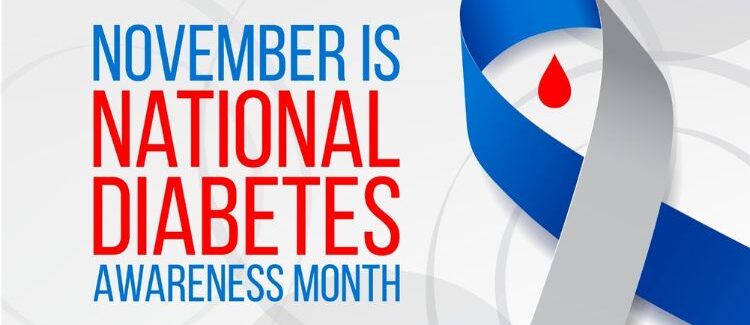
November is recognized as National Diabetes Awareness Month, and November 14th marks World Diabetes Day. These events aim to highlight the importance of diabetes education and advocate for better access to diabetes care and prevention programs.
Conclusion
Diabetes is a serious but manageable condition. By spreading awareness about its risks, symptoms, and prevention strategies, we can empower individuals to take proactive steps towards a healthier lifestyle. Whether you are living with diabetes, at risk, or supporting someone who is, knowledge is the first line of defense. Together, through awareness and education, we can work towards reducing the impact of diabetes and fostering a healthier future for all.
By understanding diabetes and prioritizing lifestyle changes, we can make a meaningful difference in combating this global health issue. Let’s take action today, raise awareness, and commit to a healthier tomorrow.