CPR During Pregnancy: AED Use, Safety Tips, and Emergency Preparedness for Expecting Parents
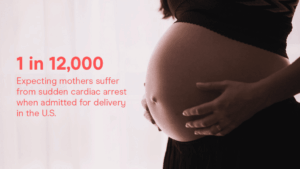
Pregnancy is a season filled with excitement, planning, and important decisions. Expecting parents spend countless hours preparing for labor, choosing pediatricians, setting up nurseries, and learning how to care for a newborn. One topic that often gets overlooked—but deserves equal attention—is emergency preparedness, specifically CPR during pregnancy and AED use on pregnant women.
While medical emergencies during pregnancy are uncommon, they can happen. When they do, knowing how to respond confidently and correctly can protect both mother and baby. CPR training and AED awareness are not about fear—they are about readiness, empowerment, and peace of mind.
Why CPR Knowledge Matters During Pregnancy
Cardiac emergencies in pregnant women are rare, but they are serious. Causes can include underlying heart conditions, pregnancy-related complications such as preeclampsia, trauma, choking, severe allergic reactions, or sudden cardiac arrest. In these moments, every second matters.
Immediate CPR helps maintain blood flow to vital organs, including the brain and heart, and supports oxygen delivery to the unborn baby. Early intervention dramatically improves survival rates and outcomes until emergency medical services arrive.
For expecting parents, CPR knowledge is especially valuable because partners, spouses, or family members are often the first and only responders in the first critical minutes of an emergency.
CPR for Pregnant Women: How It Works and What’s Different
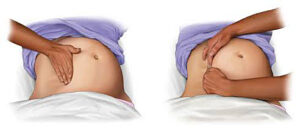
CPR during pregnancy follows standard adult CPR guidelines, with a few important modifications to improve safety and effectiveness.
Chest compressions are performed in the center of the chest, just as they are for any adult. The abdomen should never be compressed. Compressions should be hard and fast—at least two inches deep at a rate of 100–120 compressions per minute—to ensure adequate circulation.
One key difference during pregnancy is positioning. If possible, the pregnant woman should be slightly tilted onto her left side, or a towel or blanket can be placed under her right hip. This adjustment helps relieve pressure from the uterus on major blood vessels, allowing better blood flow to the heart and placenta.
If the pregnant woman is unresponsive and not breathing normally, activate emergency services immediately. When calling 911, always inform the dispatcher that the patient is pregnant so responders can arrive prepared with appropriate equipment and protocols.
AED Use During Pregnancy: Is It Safe?
A common concern among expecting parents and bystanders is whether an automated external defibrillator (AED) is safe to use on a pregnant woman. The answer is clear and supported by medical guidelines:
Yes, AEDs are safe and should be used during pregnancy.
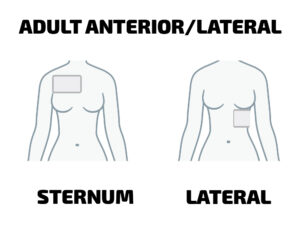
If a pregnant woman collapses, is unresponsive, and not breathing normally, an AED should be used as soon as one is available. AED pads are placed in the same positions as for any adult—one on the upper chest and one on the lower side of the chest.
The electrical shock delivered by an AED does not harm the unborn baby. In fact, restoring the mother’s normal heart rhythm as quickly as possible is the best way to protect fetal oxygenation. Delaying AED use is far more dangerous than using it promptly.
AEDs are designed to analyze the heart’s rhythm and will only deliver a shock if it is medically necessary. Following the device’s voice prompts ensures correct and safe use.
Why CPR Training Is Essential for Expecting Mothers and Fathers
CPR training is one of the most practical and empowering skills expecting parents can learn. Emergencies are unpredictable, and having the knowledge to respond calmly can reduce panic and improve outcomes.
Training together allows partners to practice teamwork, communication, and confidence under pressure. CPR classes also cover AED use, choking response, and basic first aid—skills that remain critical long after pregnancy.
Once the baby arrives, CPR knowledge becomes even more valuable. Infant choking, pediatric emergencies, and household accidents are far more common than most parents expect. CPR training prepares families for every stage of life, not just pregnancy.
Emergency Preparedness Tips for Expecting Families
Emergency readiness should be part of every pregnancy checklist. Simple steps can make a significant difference in a crisis.
Expecting parents should learn where AEDs are located in places they frequent, such as workplaces, gyms, churches, schools, and community centers. Knowing where an AED is located can save precious time.
Emergency phone numbers should be saved in all phones and posted visibly at home. Practicing how to call 911 and clearly communicate information—including location and pregnancy status—can reduce stress during an emergency.
Taking a CPR, AED, and First Aid class together is one of the most effective ways to prepare for the unexpected. These skills build confidence, reduce fear, and promote safer homes and communities. Contact Heartwarrior CPR for your needs!
CPR Preparedness Is an Act of Love
Pregnancy comes with many unknowns, but emergency preparedness does not have to be one of them. Learning CPR during pregnancy empowers expecting parents with knowledge that could save a life—or even two.
Being prepared does not mean living in fear. It means choosing confidence, responsibility, and protection for your growing family. CPR and AED training are lifelong skills that extend far beyond pregnancy, offering peace of mind for years to come.
When seconds matter most, being ready to act can make all the difference.