
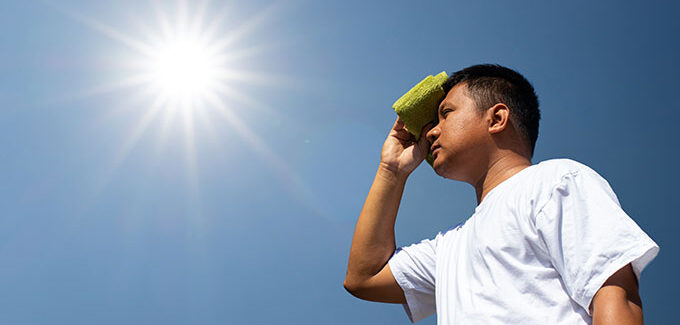
As temperatures rise, especially during summer months or in hot climates, the risk of heat-related illnesses like heat exhaustion and heat stroke increases. These conditions can escalate quickly, posing serious health risks if not recognized and treated promptly. This article outlines the signs, symptoms, and treatment for both heat exhaustion and heat stroke to help you stay safe in the heat.
Heat Exhaustion:
Signs and Symptoms Heat exhaustion occurs when the body overheats due to prolonged exposure to high temperatures, often combined with dehydration. It’s a milder form of heat-related illness but can progress to heat stroke if untreated. Common signs and symptoms include:
- Heavy sweating: The body tries to cool itself but may lose too much fluid.
- Weakness or fatigue: Feeling unusually tired or weak, often with muscle cramps.
- Dizziness or fainting: A result of dehydration and reduced blood flow to the brain.
- Nausea or vomiting: The body’s response to overheating and electrolyte imbalances.
- Headache: Often caused by dehydration and heat stress.
- Cool, moist skin: Despite the heat, the skin may feel clammy or cool to the touch.
- Rapid, weak pulse: The heart works harder to regulate body temperature.
Heat exhaustion typically occurs after physical activity in hot, humid conditions or inadequate fluid intake.

Heat Stroke:
Signs and Symptoms Heat stroke is a life-threatening emergency that occurs when the body’s temperature regulation fails, and core body temperature rises above 104°F (40°C). It requires immediate medical attention. Key signs and symptoms include:
- High body temperature: A core temperature of 104°F (40°C) or higher is a hallmark sign.
- Altered mental state: Confusion, agitation, slurred speech, or even seizures or coma.
- Hot, dry skin: Unlike heat exhaustion, sweating may stop, leaving skin dry and hot.
- Rapid, strong pulse: The heart races to compensate for overheating.
- Nausea or vomiting: Severe gastrointestinal distress is common.
- Severe headache: Intense pain due to extreme heat stress.
- Loss of consciousness: In severe cases, fainting or unresponsiveness may occur.
Heat stroke can develop rapidly, often following untreated heat exhaustion, and can lead to organ damage or death without prompt intervention.
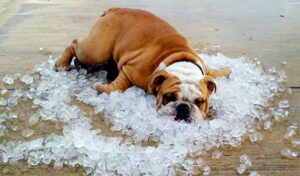
Treatment for Heat Exhaustion
If you or someone else shows signs of heat exhaustion, take these steps immediately to prevent progression to heat stroke:
- Move to a cooler environment: Get out of the heat, preferably to an air-conditioned space or a shaded area.
- Hydrate: Drink cool water or electrolyte-containing sports drinks in small sips. Avoid sugary or caffeinated beverages, which can worsen dehydration.
- Rest: Stop all physical activity and lie down in a comfortable position.
- Cool the body: Apply cool, wet cloths to the skin, take a cool shower, or use fans to lower body temperature.
- Monitor symptoms: If symptoms persist or worsen after 30 minutes, seek medical attention, as heat exhaustion can escalate to heat stroke.
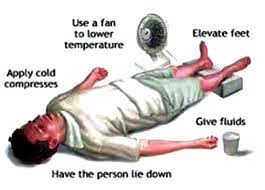
Treatment for Heat Stroke
Heat stroke is a medical emergency requiring immediate action. Follow these steps while waiting for help:
- Call emergency services: Dial 911 or your local emergency number immediately.
- Cool the person rapidly: Move them to a cooler environment and apply ice packs or cold, wet towels to key areas like the neck, armpits, and groin. Immerse in cold water if possible (e.g., a tub or shower).
- Fan the person: Use a fan or any means to promote air circulation and evaporation.
- Do not give fluids if unconscious: If the person is confused or unconscious, avoid giving anything by mouth to prevent choking.
- Monitor breathing and pulse: Be prepared to perform CPR if the person stops breathing or their heart stops.
Medical professionals may use additional cooling methods and administer IV fluids to stabilize the patient.
Prevention Tips
To avoid heat exhaustion and heat stroke:
- Stay hydrated by drinking water regularly, especially during outdoor activities.
- Wear lightweight, loose-fitting clothing and avoid strenuous activity during peak heat hours (10 a.m. to 4 p.m.).
- Take frequent breaks in the shade or indoors.
- Be mindful of medications or conditions (e.g., heart disease) that increase heat sensitivity.
Key Take Away
Heat exhaustion and heat stroke are serious but preventable conditions. Recognizing early signs like heavy sweating, dizziness, or confusion allows for quick action to cool and hydrate the body. Heat stroke, marked by high fever and altered mental state, demands immediate emergency care. By staying vigilant and prepared, you can enjoy warm weather safely.