
Treating venomous snake bites effectively requires a calm, systematic approach and avoidance of outdated or harmful practices. When handling a venomous snake bite, quick and appropriate action can greatly improve outcomes, while certain “old wives’ remedies” or instinctive reactions can worsen the situation. Here’s a comprehensive guide on how to treat venomous snake bites, including what to do and what to avoid, broken down into manageable steps.
Understanding Venomous Snake Bites

Venomous snakes inject venom through specialized fangs, which can lead to severe symptoms if left untreated. In North America, some common venomous snakes include rattlesnakes, copperheads, cottonmouths (water moccasins), and coral snakes. Each type has different venom, with effects ranging from local tissue damage to systemic neurotoxicity, but the core treatment principles remain similar.
Recognizing Symptoms of a Venomous Snake Bite
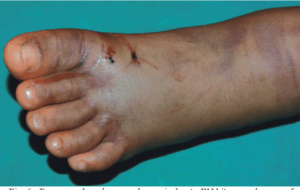
Signs and symptoms of a venomous snake bite can vary but often include:
- Immediate pain, swelling, or bruising at the bite site
- Redness or warmth around the bite
- Nausea, vomiting, or sweating
- Difficulty breathing or swallowing (in severe cases)
- Numbness or tingling
Different snake venoms affect the body in distinct ways. For example, pit vipers (like rattlesnakes) often cause pain and tissue damage, while coral snakes’ venom can lead to neurological symptoms. Knowing the snake species can help medical professionals, but it’s not essential for initial first aid.
Immediate First Aid for a Venomous Snake Bite

- Move to Safety
If bitten, calmly move away from the snake to avoid further bites and stay out of its range. Avoid sudden movements that could escalate your heart rate, which can speed up the spread of venom. - Keep the Victim Calm and Still
Adrenaline from panic or activity can increase the heart rate, which may help spread the venom faster. Encourage the victim to remain as calm as possible, both to minimize anxiety and to slow down venom circulation. - Position the Bite Site
Keep the bite area below or at the level of the heart, if possible. This positioning can help slow venom flow towards vital organs. - Remove Constricting Items
Swelling is common following a snake bite, so promptly remove any jewelry, watches, or tight clothing near the affected area to prevent circulation problems. - Cover the Bite with a Clean, Dry Bandage
Gently clean the wound if you can without washing out the venom (more on this below). Apply a clean, dry bandage loosely over the bite to protect it from infection. Do not apply ointments or disinfectants. - Seek Emergency Medical Attention Immediately
The best response to a venomous snake bite is immediate professional treatment, as many hospitals can administer antivenom, which is specific to various types of venom. Dial emergency services or transport the victim to the nearest medical facility as soon as possible.
Applying a Pressure Immobilization Bandage (For Neurotoxic Bites)
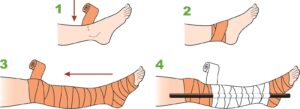
For bites from neurotoxic snakes like coral snakes, applying a pressure immobilization bandage can help slow venom spread. However, this technique should only be used if you are confident in the type of snake, as it is typically recommended for neurotoxic bites rather than bites that cause severe local tissue damage.
- Wrap a Bandage Firmly around the entire bitten limb, starting from the bite and moving upward. Be careful not to cut off circulation.
- Immobilize the Limb using a splint or a sturdy item to keep it still and further slow venom movement.
What Not to Do: Common Myths and Missteps
Several traditional methods for treating snake bites have been debunked by modern medicine. Here are some actions to avoid:
- Do Not Use a Tourniquet
Applying a tourniquet can trap venom in one part of the limb, leading to intense tissue damage and potentially requiring amputation. Tourniquets restrict blood flow and can exacerbate the injury by causing localized venom concentration. - Do Not Attempt to Suck Out Venom
Despite what movies or old stories may suggest, using your mouth or a suction device to remove venom is ineffective and can introduce infection. Venom quickly spreads beyond the bite site, so any superficial suction won’t remove it. - Do Not Apply Ice or Cold Packs
Ice can worsen tissue damage by reducing blood flow to the affected area. This constriction may amplify the venom’s effects, as venomous enzymes often work by breaking down tissue and cells, which cold can worsen. - Do Not Elevate the Bite Above Heart Level
While elevation is generally recommended for injuries, a snake bite is different. Raising the affected limb above heart level can hasten venom movement through the bloodstream, so it’s better to keep it below or at heart level. - Do Not Drink Alcohol or Caffeine
Both alcohol and caffeine can increase heart rate, which speeds up the distribution of venom in the bloodstream. It’s best to stick to water and avoid any other stimulants until medical help arrives. - Do Not Wait or “Walk it Off”
Some people may attempt to ignore a bite if symptoms are mild at first, but symptoms can worsen rapidly, especially if the snake is highly venomous. Seek medical attention immediately, even if the bite seems minor.
What to Expect in Medical Treatment

When a snake bite victim reaches medical care, healthcare professionals will typically:
- Monitor Vital Signs closely, checking for signs of shock or respiratory distress.
- Assess the Bite Area and measure swelling, as it can indicate the progression of venom.
- Administer Antivenom if the snake type is known and symptoms are severe. Antivenom can neutralize venom, preventing further damage, but it is usually administered based on symptoms, not just the bite itself.
- Provide Supportive Care such as pain relief, IV fluids, or oxygen if necessary.
If you know the type of snake, provide that information to medical staff, as it can help tailor treatment, especially when antivenom is involved. However, never attempt to capture or kill the snake for identification, as this is both risky and generally unnecessary.
Aftercare and Recovery

Recovering from a venomous snake bite depends on the type and severity of the bite, treatment timeliness, and the body’s reaction to venom. Following medical treatment, some patients may need:
- Wound Care to prevent infection if tissue damage has occurred around the bite.
- Physical Therapy if the bite affected muscle or nerve function.
- Medication Management to address any lingering pain or discomfort and support tissue healing.
Additionally, follow-up appointments may be recommended to monitor healing progress and check for any potential complications like serum sickness, which is a delayed reaction to antivenom treatment.
Summary Checklist: Do’s and Don’ts for Venomous Snake Bites

Do:
- Move away from the snake calmly.
- Keep the victim calm and still.
- Position the bite below heart level.
- Remove constrictive items near the bite.
- Cover the bite with a clean, dry bandage.
- Seek medical help immediately.
Don’t:
- Do not use a tourniquet.
- Do not try to suck out the venom.
- Do not apply ice or cold packs.
- Do not elevate the bite above heart level.
- Do not drink alcohol or caffeine.
- Do not delay medical treatment.
Kentucky has 4 venomous species of snake, do you know what they are?
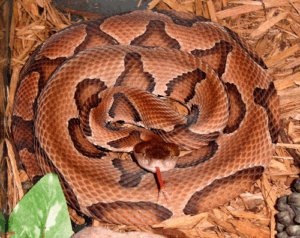
-
Description: The Eastern Copperhead is the most common venomous snake in Kentucky, found statewide. It has a coppery-brown body with hourglass-shaped, dark brown bands that are narrower across the back and wider on the sides. Adults typically grow to 2–3.5 feet long. They prefer rocky, wooded hillsides, lowland areas near streams, and abandoned wood piles. Their venom is relatively low potency, and they often use false or dry bites as a warning.
-
Image: Eastern Copperhead This image shows the copperhead’s distinctive Hershey’s Kiss-like pattern and copper-colored head.
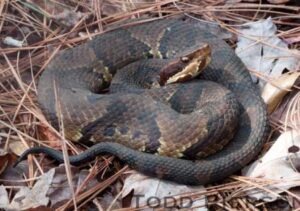
-
Description: Also known as the water moccasin, the Western Cottonmouth is primarily found in western Kentucky’s wetland habitats like swamps, marshes, and riverbanks. It has a dark body, often black or dark brown, with faint crossbands that may be more visible in juveniles. Adults average 3–4 feet long. When threatened, it displays its white mouth interior, earning its name. It’s the only venomous water snake in Kentucky.
-
Image: Western Cottonmouth This image highlights the cottonmouth’s dark body and open-mouthed threat display, showing the white interior.
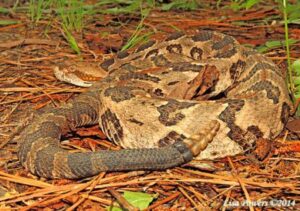
-
Description: The Timber Rattlesnake is Kentucky’s largest venomous snake, reaching up to 5 feet, though some reports suggest up to 7 feet. It has a banded pattern of dark chevron-shaped crossbands on a yellowish, gray, or brown background, with a distinctive rattle on its tail. They’re found in deep forests, avoiding the central Bluegrass region, and prefer lowland thickets and rocky outcrops. They’re reclusive and rarely bite unless provoked, but their venom is potent.
-
Image: Timber Rattlesnake This image shows the timber rattlesnake’s characteristic rattle and banded pattern, with its velvet-like black tail tip.
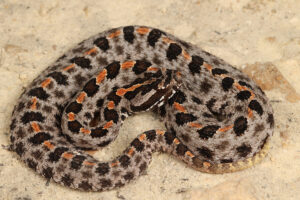
-
Description: The Western Pygmy Rattlesnake is the smallest venomous snake in Kentucky, growing to 1–2 feet. It has a gray to gray-brown body with dark, oval-shaped blotches and a dark stripe from the eye to the jaw. Its rattle is small and sounds like a buzzing insect. It’s only found in the Land Between the Lakes area in southwest Kentucky. Bites are rarely fatal but can cause pain and necrosis.
-
Image: Western Pygmy Rattlesnake This image displays the pygmy rattlesnake’s small size, gray-brown body, and subtle blotches.
Safety Note
Final Thoughts
Venomous snake bites are serious but manageable with quick and informed action. Following these steps can significantly improve the outcome, while avoiding outdated treatments or panic can reduce complications.
Disclaimer: Heartwarrior CPR is not a doctor, please consult one.