

Swimming is a fun and healthy activity for children, but it comes with risks. Drowning is a leading cause of unintentional injury death among children, particularly those aged 1–4, with over 4,000 fatal drownings annually in the U.S. alone, according to the CDC. Most incidents occur in pools, but natural bodies of water like lakes and oceans also pose significant dangers. Ensuring children’s safety around water requires proactive measures, vigilant supervision, and preparedness for emergencies. Here’s a guide to keeping kids safe while they enjoy the water.
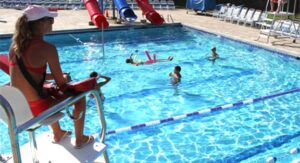
1. Constant, Active Supervision
The cornerstone of drowning prevention is active supervision. Never leave children unattended near water, even for a moment. Designate a responsible adult as the “water watcher” who avoids distractions like phones, reading, or conversations. For young children or weak swimmers, stay within arm’s reach—known as “touch supervision.” In group settings, establish clear handoff protocols to ensure someone is always watching. Even lifeguards at public pools aren’t a substitute for parental oversight, as they monitor many people at once.
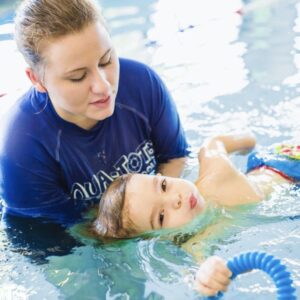
2. Swim Lessons and Water Skills
Enrolling children in swim lessons can significantly reduce drowning risk. The American Academy of Pediatrics recommends swim lessons for children as young as 1, tailored to their developmental stage. Lessons teach basic skills like floating, treading water, and reaching the pool’s edge. For older kids, learning to swim confidently in different environments (pools, lakes, or oceans) is key. However, even strong swimmers need supervision, as fatigue, currents, or unexpected obstacles can overwhelm them.
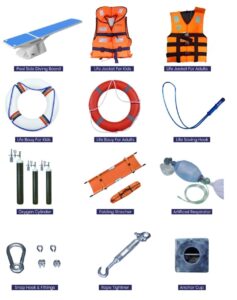
3. Use Proper Safety Equipment
Life jackets are critical for children, especially in open water or when boating. Ensure life jackets are U.S. Coast Guard-approved, fit snugly, and are appropriate for the child’s weight and activity. Avoid relying on inflatable toys, water wings, or pool noodles, as these are not safety devices and can create a false sense of security. For home pools, install four-sided fencing at least 4 feet high with self-closing, self-latching gates to prevent unsupervised access.

4. Teach Water Safety Rules
Educate children about water safety early. Rules include: never swim alone, always ask an adult before entering water, and avoid running near pools to prevent slips. Teach them to recognize hazards like strong currents or sudden drop-offs in natural waters. For toddlers, reinforce that water is only safe with an adult present. Role-model safe behavior, like wearing life jackets or avoiding alcohol while supervising, to set a strong example.
5. Prepare for Emergencies

Drowning happens quickly and silently, often without splashing or shouting. Learn to recognize signs of distress, such as a child bobbing with their head tilted back or struggling to stay afloat. Keep a phone nearby to call 911, and have a rescue tube or life ring available at home pools. Knowing CPR is critical, as immediate action can save a life before emergency services arrive. Every second counts in a drowning incident.

6. Special Considerations for Different Environments
- Home Pools: Remove toys from the pool when not in use to avoid tempting kids to reach for them. Consider pool alarms or covers for added security.
- Public Pools: Check for lifeguard presence and pool safety ratings, but don’t rely solely on lifeguards.
- Open Water: Teach kids about rip currents and how to swim parallel to the shore to escape them. Always check weather and water conditions before swimming.
7. CPR Training with Heartwarrior CPR

Heartwarrior CPR offers accessible, hands-on training to equip parents and caregivers with life-saving skills. Their certified instructors teach proper CPR techniques for children and infants, emphasizing quick response in emergencies. Visit their website for course schedules and locations to get trained.
By combining vigilant supervision, swim skills, proper equipment, and emergency preparedness, parents can significantly reduce drowning risks. Make safety a priority so kids can enjoy the water worry-free.