
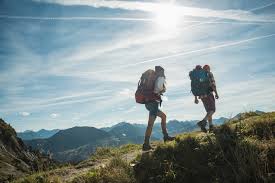
Summer calls for outdoor adventures, and hiking and camping are perfect ways to soak up nature’s beauty. But the wilderness can be unpredictable, with risks like injuries, dehydration, or sudden medical emergencies. The National Park Service reports over 300 search-and-rescue incidents annually in U.S. parks, many preventable with proper planning. To ensure your summer adventures are safe and fun, follow these hiking and camping precautions and consider CPR and first aid training with Heartwarrior CPR and First Aid.
Plan and Prepare for Your Trip

Before hitting the trail, research your route and check weather forecasts—sudden storms or heatwaves can turn a hike dangerous. Share your itinerary, including expected return time, with a friend or family member. Pack essentials: a map, compass or GPS, enough water (at least 2 liters per person for a day hike), high-energy snacks, and a first-aid kit. Wear sturdy footwear and layered clothing to handle changing conditions. For camping, ensure your tent is flame-resistant, and keep campfires at least 15 feet from tents or flammable materials.
Stay Safe on the Trail
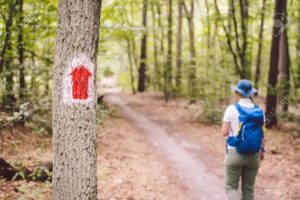
Stick to marked trails to avoid getting lost or stumbling into hazardous terrain like loose rocks or steep drop-offs. Watch for wildlife—carry bear spray in bear country and know how to use it. Protect against ticks and mosquitoes with DEET or picaridin-based repellents, as the CDC notes ticks can transmit Lyme disease. Stay hydrated and take breaks to avoid heat exhaustion, especially in temperatures above 85°F. If hiking in a group, keep everyone in sight and agree on checkpoints to regroup.
The Vital Role of CPR and First Aid Training
Emergencies in the wilderness—like falls, allergic reactions, or cardiac events—require quick action. Knowing CPR and first aid can be the difference between life and death. The American Heart Association states that immediate CPR can double or triple survival rates for cardiac arrest. Heartwarrior CPR and First Aid offers hands-on courses teaching you to perform chest compressions, deliver rescue breaths, and use an AED for cardiac emergencies. Their first aid training covers wound care, treating burns, and managing sprains or fractures—common hiking injuries. With classes tailored for all skill levels, Heartwarrior equips you to handle crises confidently, whether you’re miles from help or at a campsite.
Camping Safety Essentials

At camp, store food securely in bear-proof containers or hang it 10 feet high and 4 feet from tree trunks to deter wildlife. Never leave fires unattended, and extinguish them completely with water or dirt before leaving or sleeping—embers can spark wildfires. Keep a charged phone or satellite communicator for emergencies, as cell service is spotty in remote areas. A basic first-aid kit with bandages, antiseptic wipes, and pain relievers is a must for minor injuries.
Be Ready, Stay Safe

Hiking and camping are about adventure, not accidents. Plan your trip, stay vigilant on the trail, and follow campsite safety rules. Most importantly, get CPR and first aid training with Heartwarrior CPR and First Aid—check my website for local classes or online options. A few hours of training can prepare you to save a life, whether it’s a fellow hiker or a loved one. Equip yourself with these skills and precautions, and your summer adventures will be unforgettable for all the right reasons.