
National Glaucoma Awareness Month: Understanding, Prevention, and Treatment
January is recognized as National Glaucoma Awareness Month, a time dedicated to educating the public about this serious eye condition, which is one of the leading causes of blindness worldwide. Glaucoma often progresses without noticeable symptoms until significant vision loss occurs, making awareness, prevention, and timely treatment crucial.
What is Glaucoma?
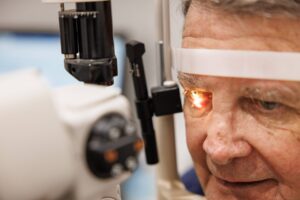
Glaucoma refers to a group of eye diseases that damage the optic nerve, which is essential for good vision. This damage is often due to an increase in intraocular pressure (IOP), although not all glaucoma cases involve high pressure. There are several types of glaucoma, but the two most common are:
-
Open-Angle Glaucoma: The most common form, where the drainage angle for fluid within the eye remains open, but the fluid passes too slowly out of the eye, causing pressure to build up gradually.
-
Angle-Closure Glaucoma: Less common but more dangerous, where the iris bulges forward to narrow or block the drainage angle formed by the cornea and iris. This can result in a sudden increase in eye pressure.
Risk Factors
-
Age: Glaucoma is more common in older adults, especially those over 60.
-
Family History: Genetic factors can increase your risk if glaucoma runs in your family.
-
Medical Conditions: Diabetes, high blood pressure, and heart disease can elevate risk.
-
Prolonged Use of Steroids: Especially eye drops.
-
Eye Injuries or Surgeries: Previous trauma or operations on the eye can lead to glaucoma.
-
Ethnic Background: African Americans over 40, Hispanic/Latino individuals over 60, and Asians have a higher risk for certain types of glaucoma.
While glaucoma cannot be entirely prevented, early detection is key to managing it effectively:
-
Regular Eye Exams: This is the most effective prevention strategy. Comprehensive eye exams can detect glaucoma before it affects vision. The American Academy of Ophthalmology recommends:
-
Adults over 40 should get a baseline exam.
-
Those with higher risk factors should have more frequent checks.
-
-
Know Your Family History: Inform your eye doctor if glaucoma runs in your family.
-
Healthy Lifestyle: Although not directly preventing glaucoma, maintaining a healthy lifestyle can support overall eye health:
-
Regular exercise might help maintain or lower eye pressure.
-
A balanced diet rich in vitamins and minerals beneficial for eye health.
-
The main goal of glaucoma treatment is to lower eye pressure to prevent or slow damage to the optic nerve. Here are the common treatment approaches:
-
Medications: Eye drops are the first line of treatment, reducing IOP by either increasing fluid drainage from the eye or decreasing its production. Oral medications can also be used in some cases.
-
Laser Therapy:
-
Laser Trabeculoplasty: Improves eye fluid drainage by creating openings in the trabecular meshwork.
-
Laser Iridotomy: For angle-closure glaucoma, creating a small hole in the iris to help fluid flow.
-
-
Surgery: When medications or laser treatments aren’t effective:
-
Trabeculectomy: Creates a new channel for fluid drainage.
-
Drainage Devices: Implanting tubes to help drain fluid.
-
-
Monitoring: Even with treatment, regular follow-ups are necessary to monitor eye pressure, optic nerve health, and visual field.
Living with glaucoma involves adapting to potential vision changes, but with proper management, many people retain good vision. Here are some tips:
-
Medication Compliance: Stick to your eye drop schedule as prescribed.
-
Support and Resources: Join support groups or seek counseling for coping with vision loss.
-
Home Modifications: Adjust lighting and use magnification for better visibility if needed.
-
Regular Check-ups: Ongoing care with your ophthalmologist to adjust treatment as necessary.
In Conclusion
Glaucoma might be silent, but with awareness, regular screenings, and proactive treatment, its impact can be significantly mitigated. Use this month to check your eye health, spread the word about glaucoma, and perhaps save someone’s sight. Remember, early detection is key, so don’t skip those eye exams.