
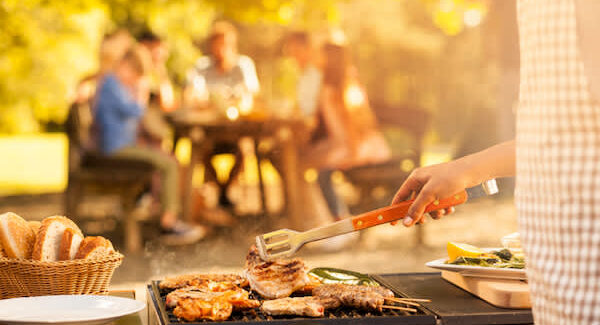
Summer is synonymous with backyard barbecues, where the sizzle of burgers and the aroma of charred veggies bring everyone together. But grilling comes with risks—according to the National Fire Protection Association, grills cause around 10,000 home fires annually in the U.S. To keep your summer BBQs safe and fun, follow these fire prevention tips and food safety practices to ensure your gathering stays sizzling for all the right reasons.
Choose a Safe Location for Your Grill
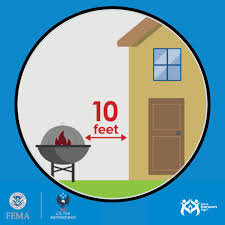
Where you place your grill is critical. Set it up at least 10 feet away from your house, deck railings, or overhanging branches to prevent stray sparks or heat from igniting flammable surfaces. Never grill indoors, in garages, or under covered patios—carbon monoxide buildup and fire risks make this a dangerous choice. Use your grill on a stable, flat surface to avoid tip-overs, and keep kids and pets clear of the grilling area to prevent burns or accidents.
Inspect and Maintain Your Grill
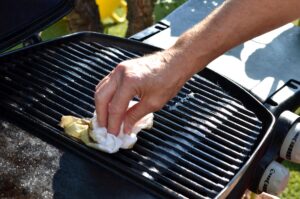
Before firing up, check your grill for potential hazards. For gas grills, inspect hoses for cracks, leaks, or blockages. A quick test: apply soapy water to the hose and connections; if bubbles form when the gas is on, you’ve got a leak—turn it off and get it repaired. For charcoal grills, ensure the interior is clean of excess ash, which can fuel flare-ups. Always use the recommended fuel—never add gasoline or kerosene to ignite or boost a fire, as this can cause explosions. Keep a fire extinguisher or a bucket of sand nearby for emergencies.
Practice Safe Grilling Habits
Never leave your grill unattended while it’s lit—fires can escalate in seconds. Use long-handled tools to keep your hands away from flames, and wear fitted clothing to avoid catching fire. For charcoal grills, use a chimney starter instead of lighter fluid to ignite coals safely. If you must use lighter fluid, apply it before lighting and never add it to an already burning fire. For gas grills, open the lid before lighting to prevent gas buildup, and if the flame goes out, turn off the gas and wait 5 minutes before relighting.
Handle Food Safely to Avoid Illness
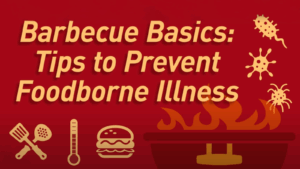
Fire isn’t the only BBQ hazard—foodborne illness is a real concern. The USDA notes that warm weather can cause bacteria to multiply faster, so keep raw meat refrigerated until you’re ready to grill. Use separate cutting boards and utensils for raw and cooked foods to avoid cross-contamination. Cook meats to safe internal temperatures (e.g., 165°F for poultry, 160°F for ground beef) using a food thermometer. Don’t let cooked food sit out for more than an hour in hot weather—use coolers or ice to keep perishables safe.
Shut Down Properly

After grilling, ensure your grill is safely turned off. For gas grills, close the propane tank valve completely. For charcoal grills, let coals burn out fully, then close the lid and dampers to cut off oxygen. Dispose of cooled ashes in a metal container, as embers can stay hot for hours and ignite trash. Clean your grill regularly to remove grease buildup, which can fuel fires during future use.
Stay Prepared, Enjoy Safely

A safe BBQ is a memorable one. By choosing a smart location, maintaining your grill, practicing safe habits, and handling food properly, you can prevent fires and illness. Take a moment to review your grill setup and stock up on safety gear like a fire extinguisher. For extra peace of mind, consider a quick online refresher on fire safety from your local fire department’s website. With these precautions, your summer BBQs will be all about good food and great company—no emergencies required.