Hypothermia & Frostbite: First Aid for Freezing Temps
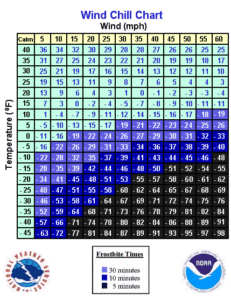
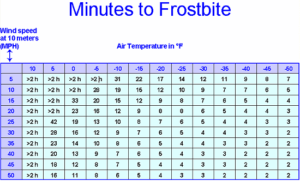
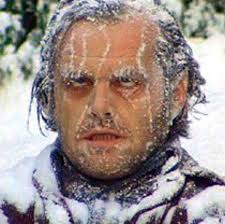
When the mercury drops and wind chills deepen, two of winter’s most dangerous emergencies begin to loom: Hypothermia (when the core body temperature falls too far) and Frostbite (when skin and underlying tissues begin to freeze).
Use this guide to recognize risks, act fast, and prevent cold-weather injuries.
What Happens in the Cold?
Hypothermia
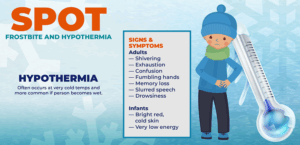
Hypothermia happens when your body loses heat faster than it can produce it, causing a dangerous drop in core temperature.
Early signs include shivering, confusion, slurred speech, and exhaustion.
Severe hypothermia can cause slowed breathing, weak pulse, and even cardiac arrest.
Learn more ➜ Mayo Clinic – Hypothermia First Aid
Frostbite
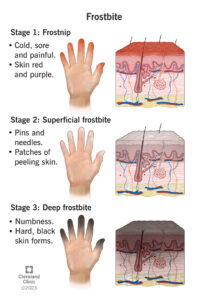
Frostbite occurs when skin and tissue freeze — usually on fingers, toes, ears, or nose.
It starts as frostnip (cold, tingling) and can progress to deep frostbite with numbness and tissue damage.
Learn more ➜ Cleveland Clinic – Frostbite
First Aid: What To Do
For Hypothermia
-
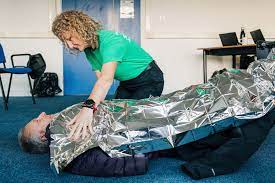
Move to a warm, dry place. Remove wet clothing immediately.
-
Warm the core first — use blankets, coats, or warm compresses on the chest, neck, and groin. Avoid direct intense heat.
-
Give warm, sweet drinks (no alcohol or caffeine).
-
Call 911 for severe symptoms — start CPR if no breathing or pulse and you are trained.
More info ➜ Mayo Clinic – Hypothermia Treatment
For Frostbite
-
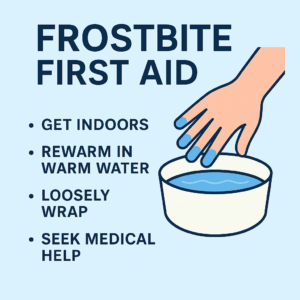
Get indoors and remove wet clothing.
-
Do not rub or massage the area. This can cause more damage.
-
Rewarm only if refreezing won’t occur. Use warm (not hot) water, around 100–105°F, for about 30 minutes.
-
Loosely wrap the area with sterile gauze and elevate if possible.
-
Seek medical help for anything more than mild frostnip.
More info ➜ Red Cross – Frostbite & Hypothermia Guide (PDF)
Prevention: The Best First Aid
-
Layer clothing: moisture-wicking base, insulating middle, wind- and waterproof outer shell.
-
Cover extremities: hats, gloves, insulated socks, and waterproof boots.
-
Stay dry: wet clothes cause rapid heat loss.
-
Limit exposure: take warm-up breaks indoors.
-
Avoid alcohol: it reduces your body’s ability to retain heat.
-
Keep a winter car kit: blankets, gloves, hand warmers, snacks, and water.
Learn more ➜ CDC – Cold Stress Guide
Why It Matters
Cold-weather first aid knowledge can save lives — especially for outdoor workers, athletes, or anyone exposed to freezing conditions.
Including this training in CPR & First Aid courses helps people stay ready for any emergency, not just cardiac events.
Quick Educational Links
Train with Heart Warrior CPR
Stay prepared for emergencies year-round with Heartwarrior CPR, AED & First Aid training.