
Why Every Home Needs a Fire Blanket (and Exactly How to Use It)
When it comes to home safety, we often think about smoke alarms and fire extinguishers—but one of the most underrated lifesaving tools is the fire blanket. Compact, affordable, and incredibly easy to use, a fire blanket can stop a small fire from turning into a devastating disaster in seconds.
Why Fire Blankets Matter
Fire blankets are made from flame-resistant materials designed to smother fires by cutting off oxygen. Unlike fire extinguishers, they require no aiming, no pin pulling, and no special training. This makes them especially useful for:
-
Kitchen fires, including grease and cooking oil
-
Small appliance fires
-
Clothing fires
-
Emergency escape protection
They’re also non-toxic, leave no residue, and are safe for almost anyone to use quickly.
Where to Keep a Fire Blanket
Placement matters. The best areas include:
-
Near the kitchen stove (but not so close that you can’t reach it in an emergency)
-
In the garage
-
Inside an RV, camper, or boat
-
Near outdoor grills or fire pits
Having one within reach during the first seconds of a fire makes all the difference.
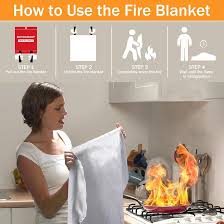
How to Use a Fire Blanket (Step-by-Step)
If a small fire ignites, stay calm and follow these steps:
-
Pull the tabs to release the blanket from its case.
-
Hold it in front of you like a shield to protect your hands and face.
-
Gently place (don’t throw) the blanket over the flames to smother the fire.
-
Turn off the heat source if it’s safe to do so.
-
Leave the blanket in place for 15–20 minutes so the fire is fully extinguished.
-
Avoid lifting the blanket early, as this may reintroduce oxygen.
For clothing fires, wrap the blanket around the person and guide them to stop, drop, and roll while you secure the blanket around the flames.
Ready to Add a Fire Blanket to Your Safety Kit?
If you don’t already have one, now’s the perfect time. This top-rated fire blanket is affordable, compact, and effective:
👉 Get your fire blanket here:
Fire Blanket on Amazon (affiliate link)
Having one simple tool nearby could save your home—or even a life.